
As cat owners, we all want our pets to live long, healthy, and happy lives. One of the most important factors that influences a cat’s overall well-being is nutrition. However, with countless brands, formulas, and price points available, choosing the right cat food can feel overwhelming.
Many people assume that the most expensive option is automatically the healthiest, but that is not always true. Understanding how to read and evaluate cat food labels can help you make informed decisions without relying solely on price. Alongside selecting quality animal health products, paying attention to your cat’s daily feeding habits can support their long-term health.
1. Look for a Complete and Balanced Formula
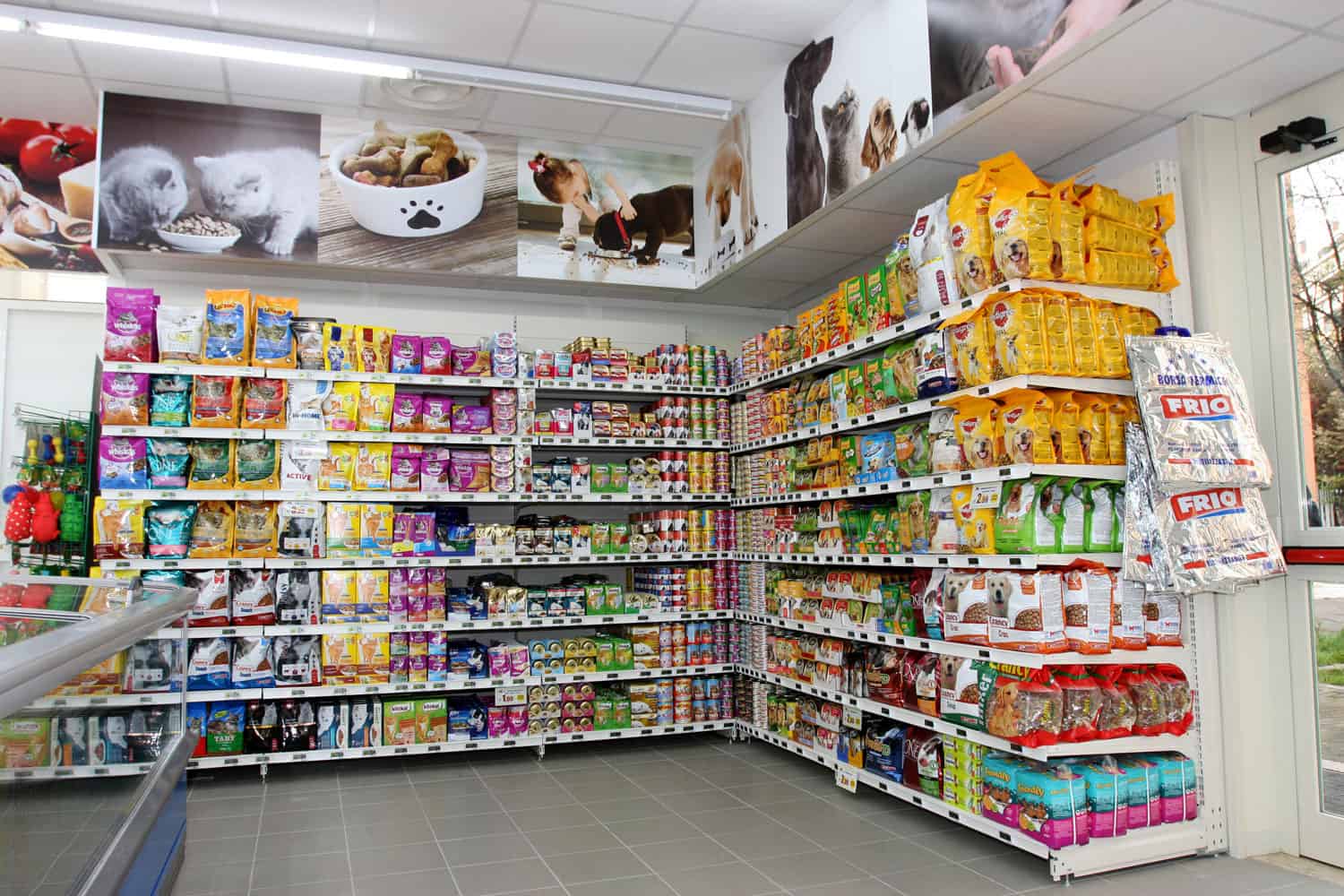
One of the first things to check on a cat food label is whether the product is labeled as “complete and balanced.” This means the food contains the essential nutrients your cat needs for daily maintenance and overall health.
Cats are obligate carnivores, which means they require nutrients that are naturally found in animal-based proteins. A complete and balanced diet helps ensure they receive adequate amounts of protein, fats, vitamins, minerals, and amino acids necessary for healthy body functions.
Food that is intended only as a treat or supplement should not replace a complete meal because it may lack critical nutrients.
2. Check the Protein Source

Protein is one of the most important components of a cat’s diet. When reading the ingredient list, look for named animal proteins such as:
-
Chicken
-
Turkey
-
Salmon
-
Tuna
-
Beef
-
Lamb
These ingredients should ideally appear near the beginning of the ingredient list, indicating that they make up a significant portion of the food.
High-quality protein supports muscle maintenance, tissue repair, immune function, and overall energy levels. Since cats rely heavily on animal-based proteins, foods with clearly identified meat sources are generally preferable to those with vague terms like “meat by-products” or “animal derivatives.”
3. Ensure It Contains Taurine
Taurine is an essential amino acid that cats cannot produce in sufficient amounts on their own. As a result, it must be included in their diet.
Adequate taurine intake supports:
-
Heart health
-
Vision
-
Reproductive health
-
Immune function
A deficiency can lead to serious health problems, including heart disease and vision loss. Fortunately, most reputable cat foods include taurine, but it is still worth checking the label to confirm its presence.
4. Consider the Fat Content
Healthy fats provide a concentrated source of energy and help support healthy skin and a shiny coat. They also aid in the absorption of certain vitamins.
Look for ingredients such as:
-
Fish oil
-
Chicken fat
-
Salmon oil
Omega-3 and omega-6 fatty acids are particularly beneficial because they support skin health, brain function, and inflammation control.
While fats are essential, excessive fat content may contribute to weight gain in less active cats, so choosing a formula appropriate for your pet’s age and lifestyle is important.
5. Pay Attention to Life Stage Requirements

Nutritional needs change throughout a cat’s life. A kitten, an adult cat, and a senior cat all require different nutrient levels.
Common life-stage formulas include:
-
Kitten
-
Adult
-
Senior
-
Indoor cat
-
Weight management
Choosing food that matches your cat’s age and activity level helps ensure they receive the right balance of calories and nutrients for their specific needs.
6. Evaluate the Ingredient List Carefully

Ingredients are typically listed in descending order by weight. This provides insight into what makes up most of the product.
Look for foods that feature animal-based protein sources prominently. While some carbohydrates can be included in a healthy diet, cats generally thrive on diets that prioritize protein.
It is also worth being cautious of foods that contain excessive fillers or ingredients that provide limited nutritional value.
Remember that a long ingredient list is not necessarily bad. What matters most is the quality and purpose of the ingredients included.
7. Consider Special Health Needs
Some cats have unique dietary requirements due to allergies, sensitivities, or medical conditions.
Specialized formulas may support:
-
Sensitive stomachs
-
Food allergies
-
Urinary tract health
-
Hairball control
-
Kidney health
-
Weight management
If your cat has an existing health condition, consult your veterinarian before making dietary changes. Certain therapeutic diets are specifically designed to address medical concerns and should be used under professional guidance.
Practical Feeding Tips Beyond the Product Itself

Choosing quality cat food is only one part of supporting your pet’s health. Daily feeding habits and overall care also play a significant role.
Consult Your Veterinarian
Every cat is different. Factors such as age, breed, activity level, weight, and medical history influence nutritional requirements.
Regular veterinary visits can help identify potential deficiencies, weight issues, or health conditions that may require dietary adjustments. Your veterinarian can also recommend suitable animal health products and feeding plans tailored to your cat’s needs.
Offer a Mix of Wet and Dry Food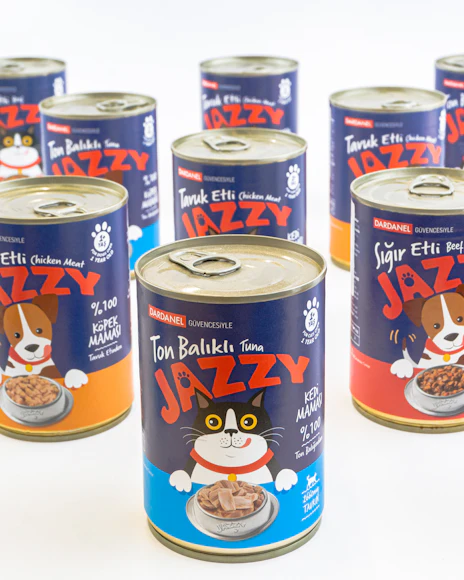
Both wet and dry food have advantages.
Wet food:
-
Contains more moisture
-
Supports hydration
-
Often appeals to picky eaters
Dry food:
-
Convenient to store and serve
-
Can help maintain dental health through chewing
-
Typically costs less per serving
Combining both types can provide variety while helping your cat benefit from the strengths of each.
Prepare Homemade Food Occasionally
Homemade meals can be a healthy supplement when prepared carefully. However, they should not replace a complete commercial diet unless formulated with veterinary guidance to ensure nutritional balance.
Here are two simple homemade options:
Chicken and Pumpkin Mix
Ingredients:
-
1 cup cooked, unseasoned chicken breast
-
2 tablespoons plain pumpkin puree
Instructions:
-
Finely chop or shred the chicken.
-
Mix with pumpkin puree.
-
Serve in small portions.
Pumpkin provides fiber that may support healthy digestion.
Salmon and Rice Bowl
Ingredients:
-
½ cup cooked salmon
-
2 tablespoons cooked plain rice
Instructions:
-
Flake the salmon thoroughly and remove all bones.
-
Mix with cooked rice.
-
Serve as an occasional treat.
Always avoid onions, garlic, excessive salt, and seasonings, as these can be harmful to cats.
Keep Fresh Water Available
Hydration is essential for overall health, especially for urinary tract and kidney function.
To encourage water intake:
-
Provide multiple water bowls throughout the home.
-
Clean bowls daily.
-
Consider a pet water fountain, as many cats prefer moving water.
-
Incorporate wet food into meals.
Cats naturally have a low thirst drive, making hydration support especially important.
A Healthy Cat is a Happy Cat

Good nutrition can help your cat maintain a healthy weight, strong immunity, and a better quality of life for years to come. But it shouldn’t stop there.
Regular playtime, routine vet checkups, grooming, and plenty of tender loving care are just as important in keeping your cat mentally and physically stimulated, healthy, and happy. A well-rounded approach to care helps your feline companion thrive at every stage of life.
Author Bio: Carmina Natividad is a daytime writer for Abbey Labs, an Australian company that offers reliable animal health solutions to support the well-being of pets and livestock. She loves creating easy-to-read content about animal care, veterinary tips, and the latest solutions that help animals live healthier lives.