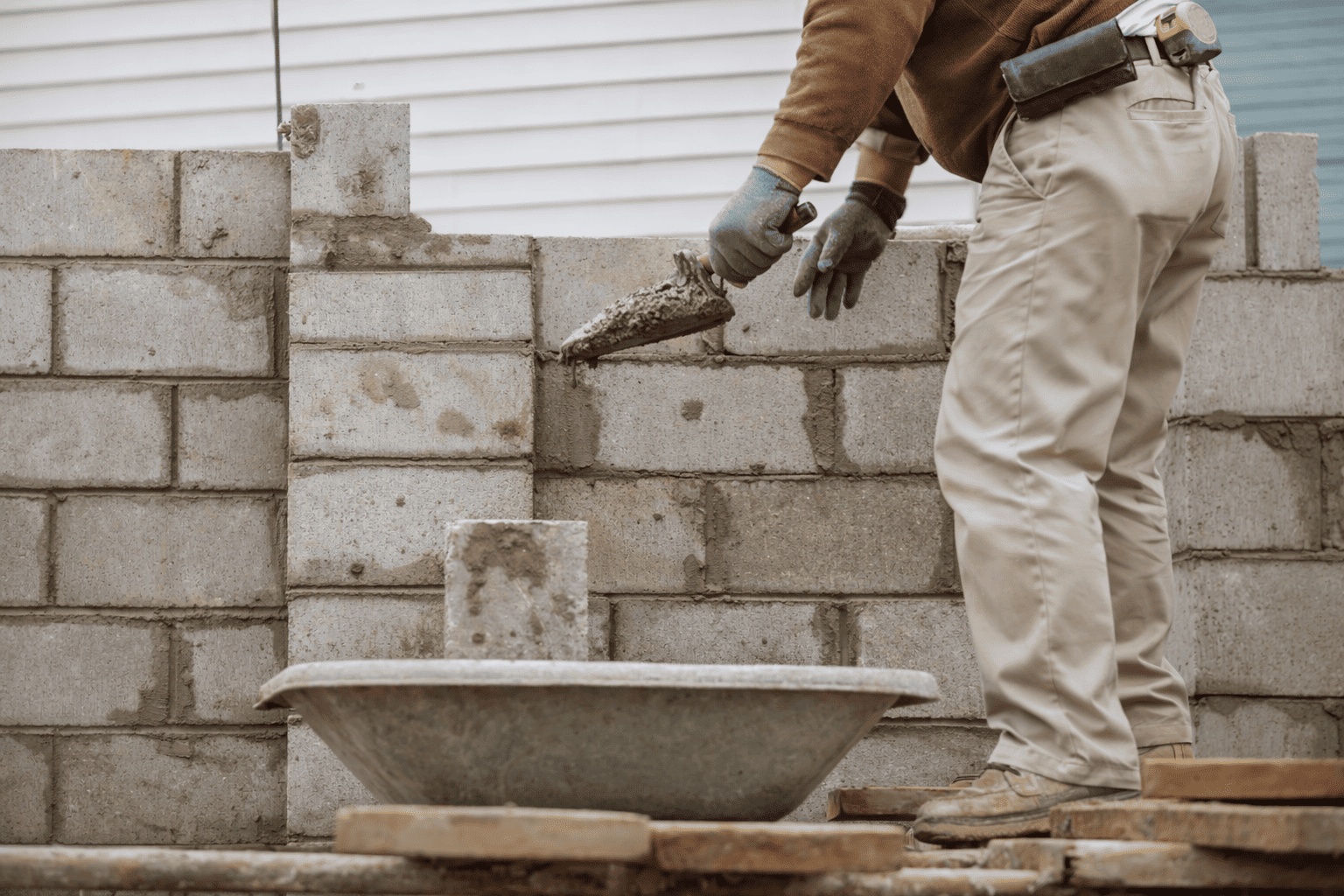
A strong building begins with materials that can withstand time, weather, and daily use. From historic landmarks to modern commercial structures, masonry continues to prove its reliability and visual appeal. Many contractors choose to work with a Masonry Contractor because skilled professionals can deliver durable results while meeting design and safety expectations. With its strength, versatility, and low maintenance needs, masonry remains a trusted solution for many construction projects across the United States.
Why Masonry Continues To Be A Preferred Building Material
Construction professionals constantly look for materials that provide strength, efficiency, and lasting performance. Masonry has remained popular because it combines practical benefits with attractive design options. Brick, stone, concrete blocks, and other masonry materials offer dependable solutions for residential, commercial, and industrial projects.
Unlike some modern materials that require frequent repairs or replacements, masonry structures are known for their long service life. When installed correctly, they can handle harsh weather conditions, temperature changes, and everyday wear while maintaining their appearance and structural integrity.
Additionally, masonry provides contractors with flexibility during the planning and construction process. Different colors, textures, patterns, and finishes allow builders to create unique structures that match both functional and aesthetic goals.
Masonry Provides Exceptional Durability And Strength
One of the biggest reasons contractors select masonry is its ability to create strong, long-lasting structures. Buildings made with quality masonry materials can remain stable for decades when properly designed and maintained.
How Masonry Withstands Environmental Challenges
Masonry materials are naturally resistant to many common construction challenges, including:
- Heavy rain and moisture exposure
- Strong winds and storms
- Fire-related risks
- Temperature fluctuations
- Physical impact
For example, brick and stone walls can provide excellent protection against outside elements while helping maintain the overall stability of a building. This durability makes masonry a practical choice for projects where long-term performance is a priority.
Furthermore, masonry requires fewer repairs compared to some alternative materials. This helps property owners reduce future maintenance costs and gives contractors confidence in the quality of their work.
Masonry Enhances Energy Efficiency In Buildings
Energy efficiency has become an important consideration for many construction projects. Masonry helps improve building performance by providing natural insulation properties.
Materials such as brick and concrete masonry units can absorb and store heat during the day and release it slowly over time. This process helps regulate indoor temperatures and can reduce the workload on heating and cooling systems.
Benefits Of Masonry For Energy Management
Contractors often recommend masonry because it can help with:
- Better indoor temperature control
- Reduced energy consumption
- Improved occupant comfort
- Increased building efficiency
As energy costs continue to affect property owners, choosing materials that support efficient building operations has become increasingly valuable. Masonry offers a reliable way to support these goals while maintaining structural strength.
Masonry Offers Versatile Design Possibilities
Modern construction is not only about strength; appearance also plays an important role. Masonry allows contractors and architects to create buildings with distinctive styles and impressive visual appeal.
Whether a project requires a traditional appearance or a contemporary design, masonry can adapt to different architectural preferences. Brick, stone, and decorative concrete options provide countless possibilities for exterior and interior applications.
Common Masonry Applications In Construction
Masonry can be used for various building features, including:
- Exterior walls and facades
- Fireplaces and outdoor structures
- Retaining walls
- Walkways and patios
- Commercial building exteriors
- Decorative architectural elements
Because of this flexibility, masonry continues to be valuable for projects that require both performance and creativity.
Masonry Supports Long-Term Cost Savings
Although some masonry materials may have a higher initial cost compared to other options, they often provide better value over time. Their durability reduces the need for frequent repairs, replacements, and maintenance.
For contractors, recommending masonry can help clients achieve a better return on investment. A well-built masonry structure can maintain its appearance and function for many years, making it a financially responsible choice.
Why Contractors Consider Masonry A Smart Investment
Long-term advantages include:
- Reduced maintenance requirements
- Extended building lifespan
- Improved property appearance
- Increased market value
- Better resistance to damage
These benefits make masonry a strong option for clients who want reliable construction solutions rather than short-term fixes.
Masonry Improves Safety And Structural Performance
Safety is a major concern in every construction project. Masonry materials contribute to safer buildings because they provide excellent stability and resistance against several hazards.
Concrete and brick masonry systems can offer strong load-bearing capabilities when properly engineered. They also provide natural fire resistance, which can improve overall building protection.
Moreover, masonry construction can help contractors meet specific building codes and performance requirements. Proper installation techniques, quality materials, and experienced workmanship are essential for achieving the best results.
Professional Installation Ensures Quality Masonry Results
While masonry materials provide many advantages, proper installation determines the final quality of a project. Incorrect techniques can lead to issues such as cracks, moisture problems, or reduced structural performance.
Working with experienced professionals helps ensure that materials are selected correctly and installed according to industry standards. Skilled contractors understand factors such as weather conditions, building requirements, material compatibility, and proper reinforcement methods.
Tips For Contractors Planning Masonry Projects
To achieve successful masonry results, contractors should:
- Select suitable materials for the project environment
- Plan drainage and moisture protection carefully
- Use experienced masonry specialists
- Follow proper installation procedures
- Schedule regular inspections during construction
Careful planning helps prevent costly mistakes and ensures that the finished structure performs as expected.
Masonry Remains Relevant In Modern Construction
Even with advancements in construction technology, masonry continues to hold an important place in the building industry. Its combination of strength, beauty, and reliability makes it suitable for a wide range of projects.
Many contractors choose masonry because it offers proven performance while allowing room for modern design approaches. From small residential improvements to large commercial developments, masonry provides solutions that meet changing construction needs.
Additionally, growing interest in sustainable and durable building practices has increased attention toward materials that reduce waste and improve building longevity. Masonry fits well with these priorities because of its extended lifespan and dependable performance.
Conclusion
Masonry remains a popular choice for building projects because it delivers durability, efficiency, safety, and design flexibility. Contractors rely on masonry materials to create structures that can withstand demanding conditions while maintaining their appearance and value over time. By combining quality materials with expert installation, builders can provide clients with dependable results that support long-term success. As construction demands continue to evolve, masonry will remain a trusted building method for projects that require strength, reliability, and lasting performance.