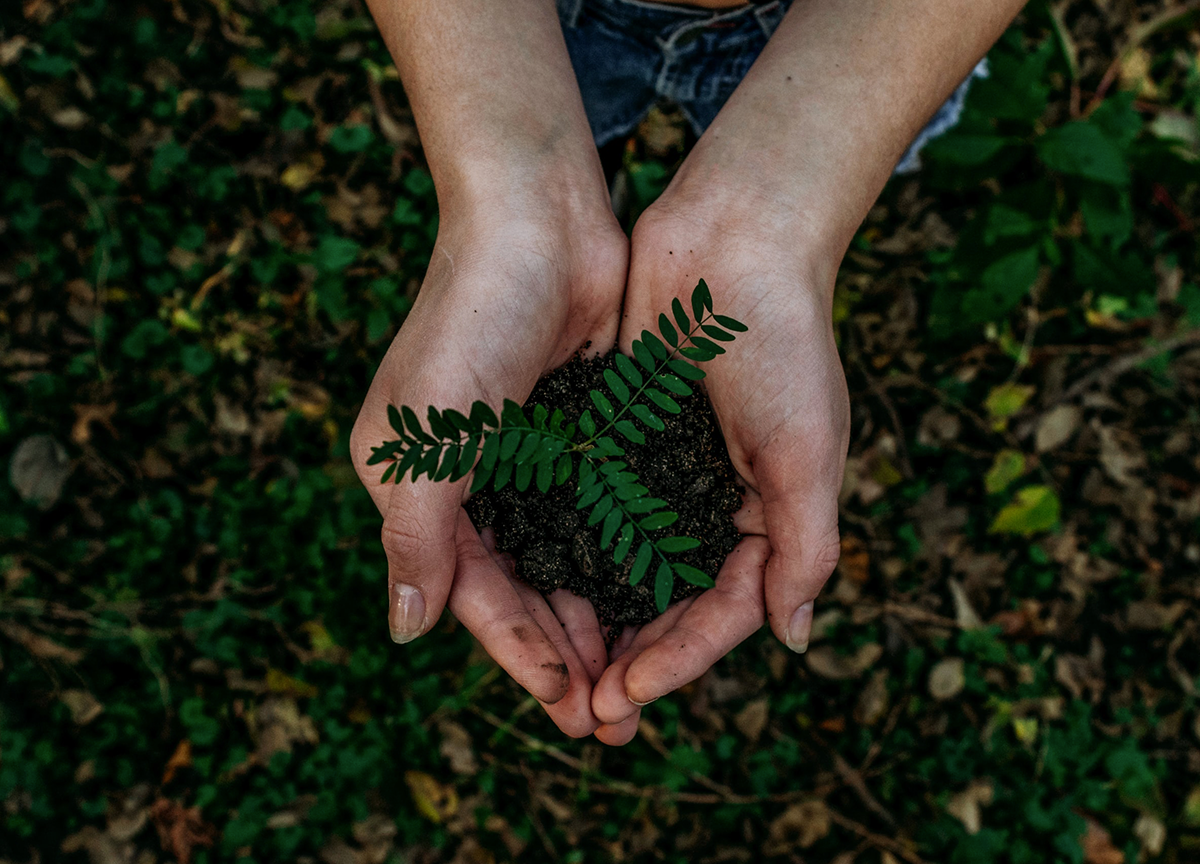
A clean river, healthy soil, and fresh air are more than natural assets; they directly affect how people live, work, and raise their families. Every community depends on its surroundings for food, water, safety, and economic activity. An Environmental Nonprofit can help residents understand these connections and take practical action. Protecting local resources also reduces health risks, strengthens neighborhoods, and creates conditions where communities can thrive for generations.
Environmental Protection Supports Community Health
Environmental quality has a direct relationship with public health. Polluted air can worsen respiratory problems, contaminated water can create serious health concerns, and poorly managed waste can attract pests and spread harmful pollutants.
Strong environmental practices help communities reduce these risks. Cleaner streets, safer water sources, responsible waste disposal, and protected green spaces all contribute to healthier living conditions.
Local action can make a meaningful difference. Communities can organize neighborhood cleanups, promote responsible recycling, protect waterways, and encourage businesses to follow responsible waste-management practices.
Clean Air Reduces Health Risks
Air pollution can come from transportation, industrial activity, construction, and other sources. Communities cannot always control every source, but they can support policies and practices that reduce unnecessary emissions.
Planting trees, improving public transportation, maintaining green spaces, and encouraging cleaner energy choices can contribute to better air quality. These efforts are particularly valuable for children, older adults, and people who may be more sensitive to pollution.
Safe Water Protects Families
Clean water supports drinking, cooking, sanitation, agriculture, and local businesses. Pollution from runoff, chemicals, sewage, and improperly disposed waste can threaten this essential resource.
Residents can help protect waterways by disposing of household chemicals properly, reducing litter, maintaining vegetation near streams, and reporting suspected pollution. Small actions become more effective when many people participate.
Environmental Protection Strengthens Local Communities
Environmental responsibility is not only about nature. It can also improve how communities function. Attractive parks, clean public spaces, tree-lined streets, and well-maintained waterways can encourage people to spend more time outdoors and connect with their neighbors.
Community involvement creates another benefit: shared responsibility. People who participate in environmental projects often become more aware of local problems and more willing to work with others to solve them.
A nonprofit can bring residents, schools, businesses, volunteers, and local organizations together around practical environmental goals. This type of cooperation can turn individual concern into organized community action.
Green Spaces Improve Quality of Life
Parks and natural areas provide places for exercise, recreation, relaxation, and social interaction. They can also provide habitat for wildlife and help manage stormwater.
Communities can protect these spaces through tree planting, habitat restoration, trail maintenance, and responsible land-use planning. Even small neighborhood gardens can provide environmental and social benefits.
Community Projects Build Participation
Successful environmental projects do not always require large budgets. A neighborhood might begin with a weekend cleanup or tree-planting event and gradually develop larger initiatives.
Useful projects may include:
- Organizing local litter cleanup events
- Planting native trees and vegetation
- Supporting community gardens
- Teaching residents about waste reduction
- Protecting local streams and wetlands
- Creating environmental education programs
These projects give residents a practical way to contribute while helping them see measurable improvements around them.
Environmental Protection Preserves Natural Resources
Communities depend on natural resources every day. Water, soil, forests, wildlife, and minerals support households and businesses, even when their value is not immediately visible.
Careless resource use can create long-term problems. Soil degradation can affect agriculture, excessive water consumption can strain supplies, and habitat loss can reduce biodiversity. Responsible management helps preserve these resources for future needs.
An effective nonprofit can educate residents about conservation and encourage realistic habits that fit local conditions. Conservation works best when people understand both the reason for an action and its practical benefits.
Responsible Waste Management Matters
Waste does not simply disappear once it leaves a home or business. Poor disposal practices can contaminate soil and water, create unpleasant conditions, and increase cleanup costs.
Residents can reduce waste by purchasing thoughtfully, reusing useful materials, recycling correctly, and disposing of hazardous products through appropriate collection programs. Businesses can also reduce their environmental impact by reviewing purchasing, packaging, and disposal practices.
Clear local guidance is important because recycling and waste rules vary by community. People are more likely to participate when instructions are simple and convenient.
Conservation Protects Local Ecosystems
Healthy ecosystems provide services that communities rely on. Wetlands can help manage excess water, trees can provide shade, and natural habitats support pollinators and other wildlife.
Protecting these systems can also reduce the costs associated with environmental damage. Preserving natural areas before they are severely degraded is often more practical than attempting expensive restoration later.
Environmental Action Can Support Local Economies
Environmental protection and economic development do not have to conflict. Clean communities can attract visitors, support outdoor recreation, improve property appeal, and create opportunities for environmentally responsible businesses.
Local environmental projects can also create jobs in areas such as landscaping, conservation, renewable energy, waste management, environmental consulting, and ecological restoration.
A strong nonprofit can help residents understand these connections. By supporting education, partnerships, and community projects, organizations can encourage economic activity that respects local resources.
Sustainable Businesses Benefit Communities
Businesses can reduce costs and environmental impacts through efficient energy use, reduced waste, water conservation, and responsible sourcing. These practices can also appeal to customers who care about environmental responsibility.
Local governments and community organizations can support businesses by providing educational resources and recognizing responsible practices. Practical guidance is often more useful than simply asking businesses to “be greener.”
Environmental Tourism Creates Opportunities
Natural attractions can support local tourism when communities protect them responsibly. Trails, parks, rivers, wildlife areas, and scenic landscapes can draw visitors and support nearby restaurants, hotels, retailers, and recreational businesses.
Tourism should be managed carefully, however. Too many visitors or poor planning can damage the same resources that attract people. Responsible tourism balances economic activity with conservation.
Environmental Education Encourages Long-Term Change
Information can influence environmental behavior, but effective education needs to be practical. Residents need to know what they can do, why it matters, and how their actions fit into broader community goals.
Schools, libraries, nonprofits, community groups, and local authorities can all contribute. Programs can teach students about recycling, water conservation, habitat protection, energy use, and responsible consumption.
Education also helps people evaluate environmental claims more carefully. Reliable information allows residents to make decisions based on evidence rather than assumptions or misleading statements.
Children Can Become Environmental Leaders
Young people can play an important role in community conservation. School gardens, recycling programs, nature clubs, and local cleanup projects give students opportunities to learn through direct experience.
These activities can influence household behavior as well. Children who learn about conservation may encourage parents and relatives to reduce waste, conserve water, or participate in community projects.
Public Participation Improves Environmental Decisions
Residents often understand local environmental problems better than anyone else. They know where flooding occurs, where litter accumulates, which areas lack trees, and which natural spaces need attention.
Public participation gives communities a way to share this knowledge. Meetings, surveys, volunteer programs, and neighborhood discussions can help decision-makers understand local priorities and develop more useful solutions.
Environmental Protection Helps Communities Prepare for Risks
Environmental protection can also strengthen community resilience. Healthy natural systems may help communities manage certain environmental pressures, including flooding, extreme heat, erosion, and water shortages.
Trees and vegetation can provide shade and help manage stormwater. Wetlands and natural drainage areas can support water management, while careful land-use planning can reduce exposure to environmental hazards.
Preparation should begin before a serious problem occurs. Communities that identify vulnerabilities early have more time to plan, educate residents, and invest in appropriate improvements.
Local Planning Makes Protection More Effective
Environmental decisions are closely connected to development decisions. New roads, buildings, industrial sites, and housing projects can affect water, traffic, air quality, wildlife, and open space.
Good planning considers these effects before projects are approved. Community input, environmental assessments, responsible zoning, and appropriate safeguards can help balance development with long-term environmental needs.
Partnerships Create Stronger Results
No single group can solve every environmental problem. Residents may provide volunteer support, businesses may contribute resources, schools can provide education, and government agencies can establish regulations and infrastructure.
A nonprofit can help connect these groups and keep projects focused on measurable goals. Strong partnerships also make it easier to maintain programs after the initial enthusiasm fades.
How Communities Can Take Practical Environmental Action
Environmental protection becomes more meaningful when people can turn concern into specific behavior. Communities do not need to solve every problem at once. Choosing a few realistic priorities can produce better results than creating an overly broad program with limited resources.
A practical starting point is to identify the most pressing local concern. This could be litter, water quality, tree loss, poor recycling participation, habitat damage, or limited access to green space.
Next, residents can determine what resources are already available. Existing nonprofit groups, schools, businesses, community associations, and public agencies may already have programs that can be expanded rather than duplicated.
Set Clear and Measurable Goals
A strong environmental project needs a clear objective. Instead of saying that a neighborhood wants to “help the environment,” organizers might aim to plant 100 native trees, remove a specific amount of litter, or increase participation in a local recycling program.
Measurable goals make progress easier to track. They also help volunteers understand what their work is accomplishing and give community leaders useful information for future projects.
Make Participation Simple
People are more likely to participate when environmental activities fit naturally into their routines. Convenient event times, clear instructions, accessible locations, and simple volunteer roles can remove common barriers.
Communication matters as well. Organizers should explain what is needed, where people should go, what they should bring, and what the project hopes to achieve.
The Role of Nonprofits in Environmental Protection
A nonprofit can serve as an important bridge between environmental goals and community action. Such organizations may provide education, coordinate volunteers, support conservation projects, conduct outreach, and advocate for responsible environmental policies.
Their role can be especially valuable when communities face problems that require sustained attention. Consistent programs can maintain momentum and help residents understand how individual actions contribute to larger environmental outcomes.
However, effective environmental work depends on transparency and accountability. Organizations should communicate their goals clearly, use resources responsibly, measure results where possible, and maintain open relationships with the communities they serve.
Conclusion
Environmental protection is ultimately about protecting the places where people live and the resources they depend on. Cleaner air and water, healthy green spaces, responsible development, and stronger conservation practices can improve both community well-being and long-term resilience. Residents, businesses, schools, public agencies, and nonprofit organizations all have a role to play. Meaningful progress does not require every person to make the same changes; it requires people to work toward practical shared goals. By starting with local needs, encouraging participation, and measuring results, communities can protect natural resources while creating healthier, safer, and more livable places for future generations.