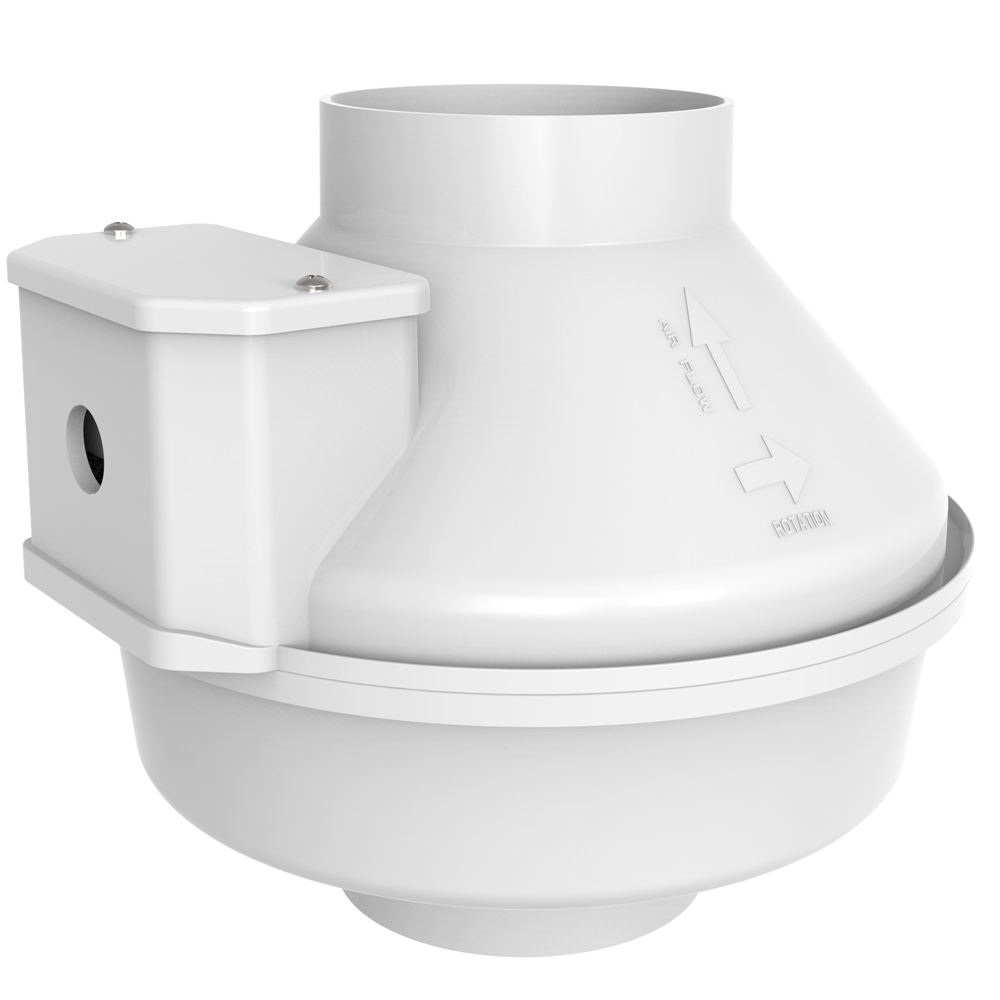
Many homeowners focus on visible problems such as leaks, mold, or structural damage. However, some risks remain hidden and can affect indoor air quality without showing obvious warning signs. One of the most overlooked concerns is radon exposure. While many people search for solutions through providers that offer Wholesale radon products and testing equipment, understanding the warning signs is the first step toward protecting your household. Knowing what to look for can help you identify potential issues before they become serious.
Understanding Radon And Why It Matters
Radon is a naturally occurring radioactive gas produced when uranium breaks down in soil, rock, and water. It can enter homes through cracks and openings in foundations and accumulate indoors over time.
Because it is colorless, odorless, and tasteless, most homeowners cannot detect it without specialized testing. This makes awareness especially important. Learning the common indicators associated with elevated radon levels can encourage timely testing and mitigation.
Why Radon Is Called A Silent Threat
Unlike many household hazards, radon does not create immediate symptoms that clearly point to its presence. There is no distinctive smell, stain, or visible residue.
Instead, exposure often occurs gradually over months or years. Long-term exposure to high levels of radon has been linked to an increased risk of lung cancer, making it one of the most significant indoor air quality concerns in the United States.
Homes Most Likely To Have Elevated Radon Levels
Although any home can have radon, some properties may face a higher risk.
Homes Built On Certain Soil Types
Areas with uranium-rich soil often experience naturally higher radon concentrations. Homes in these regions may be more vulnerable regardless of age or construction style.
Houses With Basements
Basements are closer to the ground where radon originates. As a result, homes with unfinished or finished basements often have a greater chance of radon accumulation.
Well-Sealed Modern Homes
Energy-efficient homes are excellent for reducing utility costs. However, tightly sealed structures may trap indoor air and allow radon levels to build up if proper ventilation is lacking.
Common Signs That May Indicate Radon Presence
Since radon cannot be seen or smelled, homeowners often rely on indirect indicators. These signs do not confirm radon but suggest that testing may be necessary.
Unexplained Indoor Air Quality Concerns
If your home feels stuffy despite regular ventilation, it may indicate poor air circulation. Poor ventilation alone does not mean radon is present, but it can contribute to the buildup of indoor pollutants, including radon.
Cracks In Foundation Floors And Walls
Radon commonly enters through openings in a home’s foundation.
Look for:
- Cracks in basement floors
- Gaps around utility pipes
- Open joints in concrete slabs
- Foundation wall fractures
- Spaces around sump pumps
These entry points can create pathways for underground gases to enter living spaces.
Persistent Moisture Issues In Basements
Moisture problems often indicate pathways between the soil and the interior of the home. If water vapor can enter through foundation openings, radon may also find similar routes.
Regularly inspecting basement walls and floors can help identify potential vulnerabilities.
Nearby Homes Reporting High Radon Levels
One of the strongest indicators is the experience of neighboring properties.
If homes in your area have tested positive for elevated radon concentrations, your property may face a similar risk. Geological conditions often affect entire neighborhoods rather than individual homes.
Health-Related Warning Signs Associated With Long-Term Exposure
Radon itself does not typically cause immediate symptoms. However, prolonged exposure can contribute to serious health concerns.
Frequent Respiratory Discomfort
Although respiratory symptoms can result from many conditions, persistent issues may warrant attention, especially when combined with other risk factors.
Potential concerns include:
- Ongoing coughing
- Wheezing
- Shortness of breath
- Chest discomfort
- Increased respiratory irritation
These symptoms alone do not confirm radon exposure, but they should not be ignored.
Increased Risk For Smokers
Individuals who smoke face a significantly greater risk when exposed to elevated radon levels.
The combination of tobacco smoke and radon exposure can substantially increase the likelihood of developing serious lung conditions over time.
Family History Of Lung Cancer
If lung cancer has affected family members, homeowners may be more motivated to evaluate environmental risks. Testing for radon becomes an important preventive measure in such situations.
Areas Of The Home Where Radon Commonly Collects
Understanding where radon tends to accumulate can help homeowners prioritize inspections and testing.
Basements
Basements are the most common location for elevated radon concentrations because they sit closest to the soil source.
Crawl Spaces
Homes with crawl spaces may experience radon entry through exposed soil and foundation gaps.
Ground-Level Rooms
Even homes without basements can develop radon problems. Ground-floor living areas may accumulate radon when gas enters through foundation openings.
Utility Rooms
Rooms containing water heaters, HVAC systems, or plumbing infrastructure often have penetrations through the foundation that can serve as entry points.
Practical Ways To Check For Radon
Because signs alone cannot confirm the presence of radon, testing remains essential.
Use A Radon Test Kit
Home testing kits are widely available and provide a convenient way to evaluate indoor air quality.
Short-term tests typically measure levels over a few days, while long-term tests provide a more comprehensive assessment.
Hire A Certified Professional
Professional inspectors use advanced equipment and follow established testing procedures.
Benefits of professional testing include:
- Accurate measurements
- Expert interpretation of results
- Identification of entry points
- Recommendations for mitigation
- Detailed reporting
Test During Different Seasons
Radon levels can fluctuate throughout the year due to weather conditions and ventilation patterns.
Testing during colder months often reveals higher indoor concentrations because homes remain more tightly sealed.
What To Do If High Radon Levels Are Found
Discovering elevated radon levels can feel concerning, but effective solutions are available.
Install A Radon Mitigation System
Mitigation systems are designed to reduce indoor radon concentrations by directing gas away from the home before it enters living spaces.
These systems are highly effective when installed correctly.
Seal Foundation Openings
While sealing cracks alone may not completely solve the problem, it can help reduce radon entry and improve overall system performance.
Improve Ventilation
Increasing airflow can help dilute indoor pollutants and support healthier indoor air conditions.
Common strategies include:
- Using ventilation fans
- Opening windows when appropriate
- Installing air exchange systems
- Maintaining HVAC equipment
Preventing Future Radon Problems
Prevention is often easier and less expensive than addressing a severe issue later.
Test Regularly
Even if previous tests showed acceptable levels, periodic testing remains important. Structural changes, renovations, and environmental shifts can affect radon concentrations.
Inspect Foundations Annually
Routine inspections help identify new cracks, gaps, or deterioration that could allow soil gases to enter the home.
Consider Radon-Resistant Construction
For new homes, builders can incorporate radon-resistant features during construction. These systems often reduce future mitigation costs and improve indoor safety.
Common Misconceptions About Radon
Many homeowners underestimate the importance of radon because of widespread misconceptions.
Myth: Older Homes Have More Radon
Both old and new homes can experience elevated radon levels. Age alone does not determine risk.
Myth: Radon Is Only A Basement Problem
While basements often show the highest concentrations, radon can affect any level of a home.
Myth: You Would Notice Symptoms Quickly
Radon exposure generally occurs over long periods. Most people do not experience obvious early warning signs.
Myth: Testing Is Unnecessary If The House Looks Fine
A clean, well-maintained home can still have high radon levels. Appearance does not indicate indoor radon concentrations.
Why Awareness Is Essential For Homeowners
Awareness allows homeowners to take proactive steps rather than waiting for problems to emerge.
By understanding potential warning signs, monitoring vulnerable areas, and conducting regular testing, families can make informed decisions about indoor air quality. This proactive approach supports both safety and peace of mind.
Conclusion
Radon remains one of the most significant hidden environmental risks found in homes across the United States. Because it cannot be seen, smelled, or tasted, homeowners must rely on awareness, testing, and preventive measures rather than obvious warning signs. Cracks in foundations, poor ventilation, moisture issues, and elevated levels in nearby homes can all suggest a greater likelihood of radon presence. While these indicators do not confirm a problem, they highlight the need for proper testing. Regular monitoring, professional assessments, and effective mitigation solutions can significantly reduce risk and help create a healthier living environment for everyone in the home.