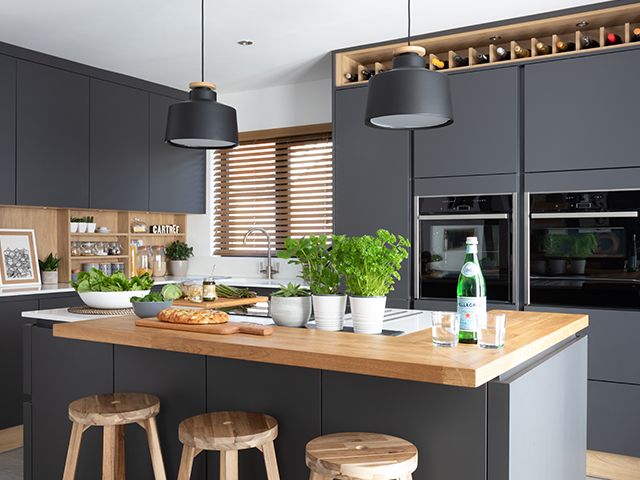
Picking new kitchen worktops is one of those decisions that feels bigger than it should. You’re not just choosing a colour; you’re choosing something that has to survive hot pans, red wine, chopping boards and about fifteen years of family life without looking tired. If you’ve spent any time scrolling through kitchen inspiration lately, you’ll know the choice has never been wider, or more confusing.
This guide walks through what actually matters when you’re comparing kitchen worktops in 2026, from material and budget through to the small details that make a big difference once the kitchen is finished.
What Are the Best Kitchen Worktops Right Now?
There’s no single answer to “what are the best kitchen worktops“; it depends on how you cook, how much you’re willing to spend, and how much maintenance you’re prepared to do. That said, a handful of materials dominate the UK market for good reason:
-
Quartz: engineered from crushed quartz and resin, non-porous, low maintenance, and available in an enormous range of finishes.
-
Granite: a natural stone with genuine character, no two slabs identical, and excellent heat resistance.
-
Marble and marble-effect quartz: prized for its veining and softness of tone, though real marble needs more care.
-
Laminate: the budget-friendly option that has come a long way in recent years.
-
Solid wood: warm and characterful, best suited to kitchens where it won’t be near constant water exposure.
Most UK homeowners renovating this year are landing on quartz or granite, and it’s worth understanding why before you commit to either.
Kitchen Worktop Costs in 2026
Budgeting is usually where the real decision-making happens. As a rough guide for supply and installation across the UK market this year:
-
Laminate worktops start from around £180 per square metre.
-
Solid wood typically runs £220–£380 per square metre.
-
Granite sits around £270–£600 per square metre, with rare or exotic slabs going higher.
-
Quartz generally costs £250–£600 per square metre, depending on brand and pattern complexity.
-
Porcelain or Dekton worktops are the premium option, often £520–£680 per square metre.
For a typical UK kitchen needing 6–9 linear metres of worktop, most homeowners end up spending somewhere between £1,500 and £5,000 once templating, cut-outs, edge profiles and fitting are included.
Extras like undermount sink cut-outs, drainage grooves, and upstands can add a few hundred pounds on top, so it’s worth asking for a full breakdown rather than a headline price per metre.
Choosing Between Quartz Worktops and Granite Worktops
This is the question almost every kitchen renovation eventually comes down to. Quartz is engineered, which means colour and pattern are consistent from one end of the slab to the other, useful if you want a seamless, uniform look. Granite is a natural material, so every slab has its own veining, flecks and movement, which many homeowners actually prefer for the sense of individuality it brings to a kitchen.
Practically speaking, quartz is non-porous and needs no sealing, while granite benefits from an annual reseal to keep it resistant to staining. Both handle daily kitchen life well, and both are considered mid-to-premium choices rather than budget options.
Colour and Design Trends for 2026
Kitchen design has shifted noticeably this year. Cool, uniform grey (which dominated kitchens for the best part of a decade) is giving way to warmer, earthier tones: soft biscuit and sand-toned quartz, gold-flecked veining, and richer, moodier cabinetry in charcoal, forest green and navy.
Granite is also having a real resurgence, valued for its natural variation at a time when homeowners want their kitchens to feel “lived-in” rather than showroom-perfect. Full-height splashbacks, where the worktop material runs seamlessly up the wall instead of stopping at a tiled splashback, are another detail showing up again and again in new installations.
A Few Things Worth Asking Your Fitter
Before you sign off on any kitchen worktops quote, it’s worth clarifying:
-
Is templating included, or charged separately?
-
What edge profile is standard, and what do upgrades like bullnose or mitred edges cost?
-
How is the sink cut-out priced? Undermount tends to cost more than top-mount.
-
What’s the lead time from template to fit?
Specialist worktop suppliers such as KML Worktops will usually template on-site after your units are fitted, which avoids the guesswork of measuring around cabinetry yourself and reduces the risk of a poor fit on installation day.
There’s genuinely no wrong answer among quartz, granite, marble and the rest only the right answer for your kitchen, your budget and how you actually use the space. Take your time with samples, view them in your own lighting rather than a showroom, and don’t be afraid to ask suppliers detailed questions about installation before you commit. A worktop is one of the few kitchen elements you’re unlikely to replace again for a very long time, so it deserves a bit of patience before the decision is made.