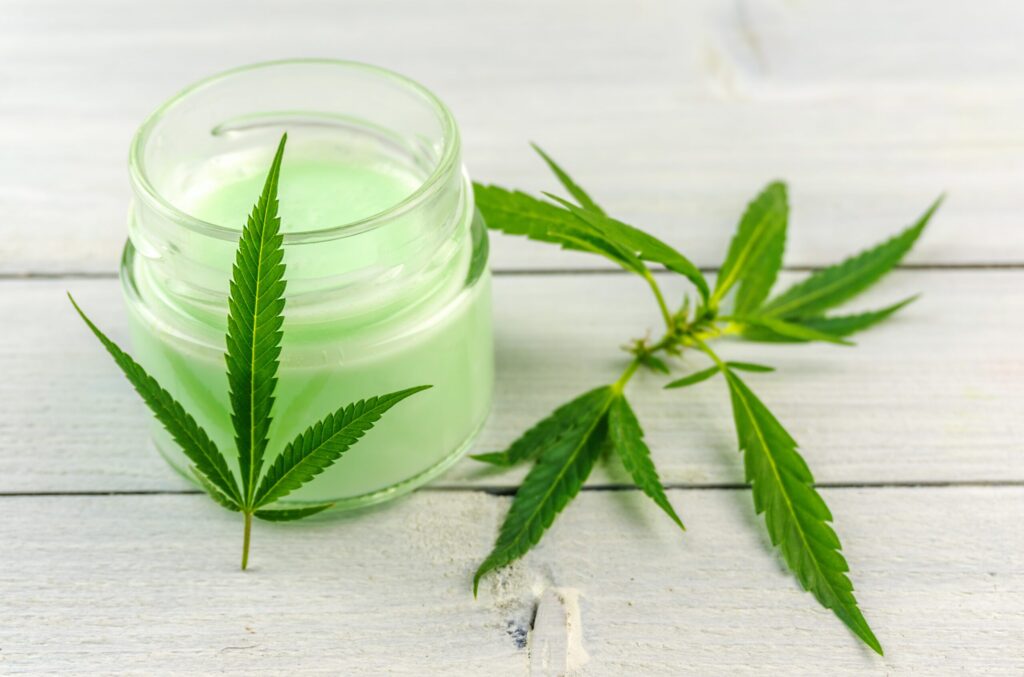
Dry, irritated skin can make ordinary activities uncomfortable, especially when tightness, rough patches, or mild sensitivity keep returning. A carefully chosen Natural pain relief balm may provide a comforting layer while helping protect areas that feel dry or stressed. Although balms are often associated with temporary relief from everyday aches, their rich texture can also make them useful as part of a simple skin-care routine when the formula is appropriate.
Why Dry and Irritated Skin Needs Gentle Care
Dry skin develops when the skin loses too much moisture or struggles to maintain its protective outer barrier. Cold weather, low humidity, frequent washing, hot showers, harsh cleansers, and friction can all contribute to dryness. Some people also notice rough or uncomfortable skin after spending long periods outdoors.
Irritated skin needs an especially gentle approach because aggressive products may increase discomfort. Scrubbing, heavily fragranced formulas, or frequent application of strong ingredients can leave the skin feeling even more sensitive. A simple routine focused on protection and moisture is often a better starting point.
Balms can fit into that routine because they usually have a thicker consistency than lotions. Their texture allows them to form a protective layer over the skin, which can help reduce moisture loss and shield dry areas from environmental friction.
How Balm Can Help Dry Skin Feel More Comfortable
A balm does not work exactly like a traditional moisturizer. Instead, many balms contain oils, waxes, butters, or other ingredients that help soften the skin and create a barrier over its surface. This barrier can slow the loss of water from the outer layers of skin.
The effect can be particularly useful on areas that become rough easily, such as hands, elbows, knees, and other exposed areas. Applying a small amount to clean, slightly damp skin may help keep the surface feeling softer.
However, not every balm is designed for general skin care. Products marketed for sore muscles or temporary discomfort may contain ingredients intended for a specific purpose. Checking the product label is therefore important before applying any formula to dry or irritated skin.
Occlusive Ingredients Help Reduce Moisture Loss
Some balm ingredients work mainly by forming a protective layer. Petrolatum, certain waxes, and some plant-derived oils can reduce water loss from the skin’s surface. This does not mean they add large amounts of water to the skin, but they can help retain moisture already present.
For very dry areas, this protective quality may be helpful at night. A thin layer can reduce exposure to bedding, clothing, or dry air while giving the skin time to recover from everyday environmental stress.
Emollients Can Soften Rough Skin
Emollients are ingredients that help make the skin feel smoother by filling gaps between skin cells. Oils, butters, and certain lipid-based ingredients can provide this softening effect.
A balm containing suitable emollients may make rough skin feel more flexible and comfortable. Regular use can also make dry patches less noticeable, particularly when combined with gentle cleansing and adequate moisturizing.
What Makes a Balm Different From a Lotion?
The main difference often comes down to texture and formulation. Lotions typically contain more water and spread easily across larger areas, making them convenient for everyday full-body use. Balms are generally thicker and may contain little or no water.
That richer texture makes balms useful for small areas that need extra protection. Someone with dry hands, for example, might use a lightweight moisturizer during the day and a thicker balm on particularly rough spots at night.
A balm can also be convenient for travel because a small amount may cover a focused area. Still, users should follow the product’s directions rather than assuming every balm is suitable for every part of the body.
Can Pain Relief Balms Soothe Irritated Skin?
A pain relief balm and a general skin-soothing balm are not necessarily the same product. Some pain relief formulas contain ingredients such as menthol or other topical agents that create sensations of cooling or warmth. These sensations may temporarily distract from discomfort associated with minor aches.
Such products should be used according to their labels. A formula intended for muscles or joints should not automatically be treated as a moisturizer for cracked or irritated skin.
People with sensitive skin should be especially cautious. Applying a strong topical product to already irritated skin may cause burning, redness, or additional discomfort. Testing a small area according to the product instructions can be a sensible precaution when appropriate.
Read the Label Before Applying
Product labels provide important information about intended use, ingredients, application areas, and warnings. Pay attention to directions concerning broken skin, sensitive areas, frequency of use, and contact with the eyes.
A pain relief balm may be unsuitable for severely dry, cracked, inflamed, or damaged skin. When the label says to avoid broken skin, that instruction should be followed.
Consumers should also avoid combining multiple topical products on the same area unless the directions or a healthcare professional indicate that doing so is appropriate.
Daily Habits That Can Support Dry Skin
Using a balm can be helpful, but daily habits often have an even greater effect on how comfortable dry skin feels. A consistent routine can reduce repeated exposure to common sources of dryness.
Helpful habits include:
- Use lukewarm rather than very hot water for bathing.
- Choose gentle, fragrance-free cleansers when possible.
- Pat the skin dry instead of rubbing it vigorously.
- Apply moisturizer soon after bathing.
- Use a thicker balm on areas that remain rough.
- Protect hands from harsh cleaning products.
- Consider a humidifier during particularly dry indoor conditions.
- Avoid scratching irritated areas.
These steps are simple, but consistency matters. Skin that repeatedly loses moisture may continue feeling rough even when a balm is used occasionally.
How to Apply Balm Without Overusing It
A small amount is usually enough for a concentrated balm. Start with a thin layer and gently spread it across the target area rather than applying a heavy coating.
Clean hands and clean skin can help keep the application hygienic. For dry hands, applying balm after washing and drying them can help reduce the uncomfortable tight feeling that sometimes follows frequent handwashing.
Nighttime application can also be practical because the product has more time to remain on the skin without repeated washing or friction. People who dislike a greasy sensation during the day may prefer this approach.
Choose the Right Product for the Area
Different parts of the body may respond differently to topical products. A thick balm may be comfortable on elbows or heels but feel too heavy on the face.
Look for products that clearly state their intended use. Fragrance-free or minimally formulated options may be preferable for people whose skin reacts easily to scented ingredients.
The presence of natural ingredients does not automatically mean a product will suit everyone. Plant oils, essential oils, and botanical extracts can still cause irritation or allergic reactions in some individuals.
When Dry or Irritated Skin Needs More Attention
Occasional dryness is common, but persistent or worsening irritation deserves closer attention. Skin that remains painful, intensely itchy, swollen, cracked, bleeding, or unusually red may have a cause that requires more than basic skin care.
Repeated flare-ups can also be associated with conditions such as eczema, contact dermatitis, psoriasis, or other skin problems. A balm may provide temporary comfort in some circumstances, but it does not diagnose or treat the underlying cause.
Seek professional medical advice when symptoms are severe, continue despite basic care, spread to other areas, or interfere with normal activities. Prompt attention can help identify the cause and guide appropriate treatment.
Safety Tips for Using Topical Balms
Safe application starts with using the product for its intended purpose. Never assume that a balm suitable for one body area is appropriate for another.
Avoid applying topical products to the eyes, inside the nose or mouth, or other sensitive areas unless the label specifically says they are intended for that use. Wash hands after application when the instructions recommend it.
Stop using a product if it causes significant burning, swelling, worsening redness, rash, or other unexpected reactions. Serious or rapidly developing symptoms warrant professional medical attention.
Families should also store topical products safely and follow age-related instructions. Children may be more sensitive to certain topical ingredients, so adult supervision and label directions are particularly important.
How to Build a Simple Skin-Soothing Routine
A practical routine does not need numerous products. Start with gentle cleansing, follow with a suitable moisturizer, and reserve a thicker balm for areas that need additional protection.
Morning care can focus on protecting exposed skin from weather and environmental conditions. Evening care can include moisturizing after bathing and applying a small amount of balm to particularly dry areas.
Give the routine time to work rather than constantly changing products. Using several new formulas at once can make it difficult to determine which product is helping or causing irritation.
Keep the Routine Consistent
Consistency helps you understand how your skin responds. Apply products according to their directions and observe changes over several days rather than expecting an immediate solution to long-standing dryness.
It can also help to note environmental triggers. Cold air, frequent handwashing, household cleaning products, and prolonged exposure to dry indoor heat may all affect skin comfort.
A simple routine combined with sensible product selection can make daily skin care easier to maintain. The goal is not to cover every possible concern with a single product but to give the skin appropriate support.
Conclusion
Dry and irritated skin often responds best to simple, consistent care rather than an overloaded routine. A properly formulated balm can help soften rough areas, reduce moisture loss, and provide a protective layer that makes everyday dryness more manageable. However, products designed primarily for temporary relief of aches should be used according to their labels and should not automatically be treated as everyday moisturizers. Gentle cleansing, regular moisturizing, protection from harsh conditions, and careful product selection all play important roles. Persistent, painful, or worsening irritation deserves professional attention so the underlying cause can be addressed appropriately.