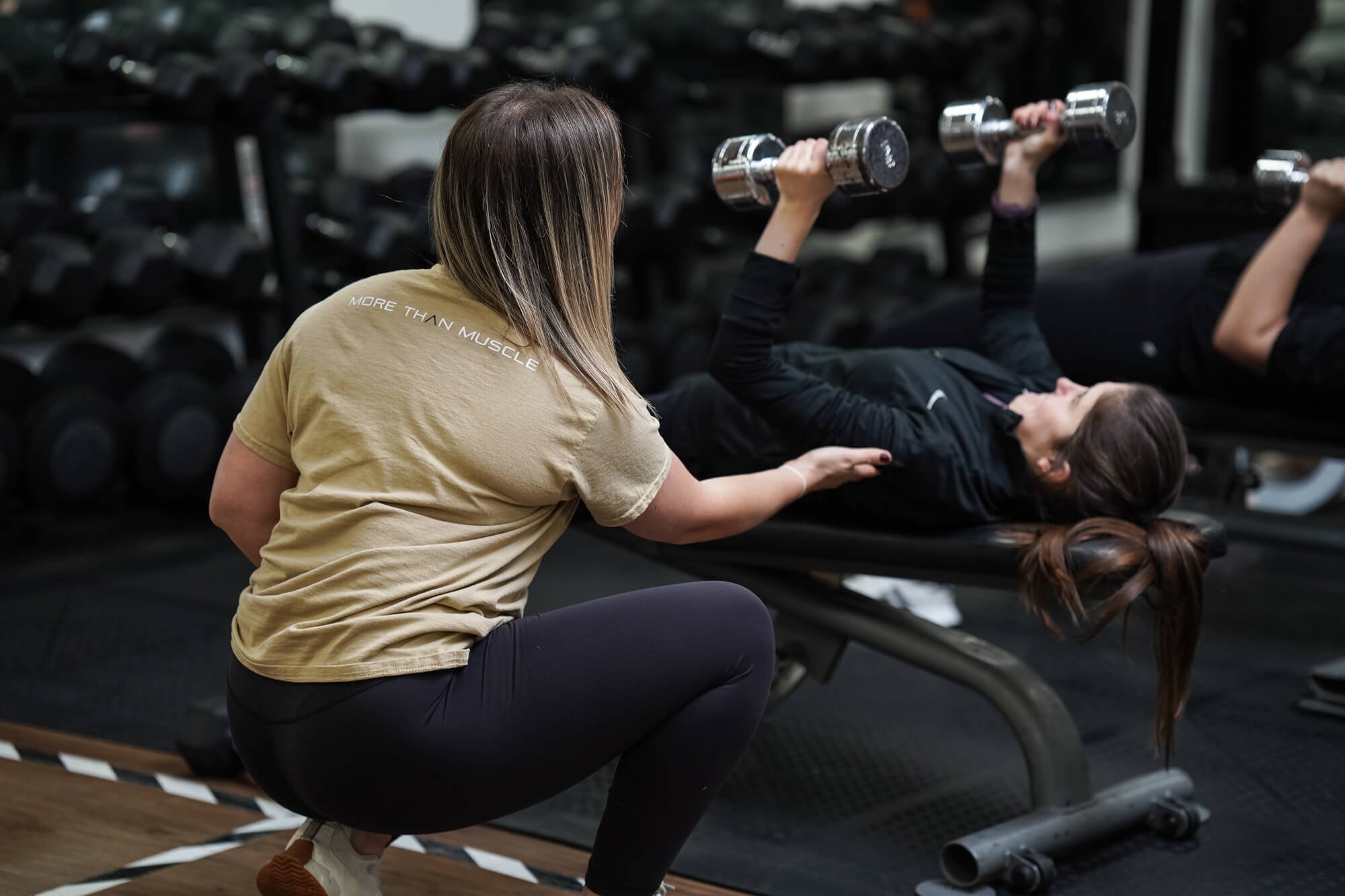
A strong team can achieve remarkable results, but even talented individuals may struggle to perform well together without proper guidance. Small issues such as poor communication, inconsistent effort, and unclear goals often reduce overall performance. A skilled Fitness trainer can identify these challenges and create practical solutions that help teams work better together. With the right approach, performance improvements can appear quickly and lead to long-term success for athletes and fitness groups.
What Limits Team Performance
Many teams experience performance problems that have little to do with physical ability. Motivation, communication, trust, and accountability often play a larger role than most people realize.
A trainer who understands team dynamics can quickly identify weak areas. Rather than focusing only on workouts, they examine how members interact, respond to challenges, and support one another during training sessions.
This broader perspective allows performance issues to be addressed at their source instead of simply treating symptoms.
Setting Clear and Measurable Goals
Teams perform better when everyone understands the target they are working toward. Unclear objectives often create confusion and reduce motivation.
A trainer can establish measurable goals that align with the team’s needs. These goals may include improving endurance, increasing strength, reducing recovery time, or achieving specific competition results.
Clear goals provide direction and make it easier to track progress. Team members become more focused because they know exactly what is expected of them.
Creating Short-Term Performance Targets
Long-term goals are important, but quick improvements often come from short-term milestones. Smaller targets create momentum and help team members stay engaged.
Examples of short-term targets include improving workout attendance, increasing training intensity, or completing specific fitness benchmarks within a few weeks.
Regular achievements build confidence and encourage consistent effort across the team.
Improving Communication Among Team Members
Communication problems frequently prevent teams from reaching their full potential. Misunderstandings can lead to frustration, reduced trust, and poor collaboration.
A trainer can introduce communication practices that encourage openness and accountability. Team meetings, performance reviews, and structured feedback sessions help everyone stay aligned.
Effective communication also allows problems to be addressed before they become larger obstacles.
Encouraging Constructive Feedback
Feedback should help team members improve rather than discourage them. Trainers play an important role in teaching individuals how to provide useful and respectful feedback.
Constructive conversations help athletes understand their strengths and areas for development. Over time, this creates a culture of continuous improvement.
Teams that communicate honestly often adapt faster and perform more consistently.
Building Strong Team Accountability
Accountability is one of the fastest ways to improve performance. People tend to work harder when they know others depend on them.
A trainer can establish standards for attendance, effort, and behavior. These expectations should be communicated clearly and applied consistently.
When every member takes responsibility for their actions, the entire group benefits from greater consistency and discipline.
Using Performance Tracking Systems
Tracking progress helps reinforce accountability. Trainers often use performance charts, training logs, or digital fitness platforms to monitor results.
Visible progress motivates team members to stay committed. It also allows trainers to identify trends and make adjustments when necessary.
Regular monitoring creates a sense of ownership and encourages better habits.
Designing Effective Training Programs
Not all training programs produce results quickly. Some fail because they do not match the needs of the team.
A knowledgeable trainer evaluates current fitness levels and designs programs that target specific performance goals. The training plan should challenge participants while remaining realistic and sustainable.
Customized programs often deliver faster improvements because they focus on the areas that matter most.
Balancing Intensity and Recovery
Many teams assume that harder training always leads to better results. However, excessive intensity can cause fatigue, injuries, and burnout.
A trainer understands how to balance demanding workouts with proper recovery. This balance allows team members to improve steadily without compromising their health.
Recovery strategies such as stretching, mobility work, and rest periods support long-term performance gains.
Strengthening Team Motivation
Motivation directly influences effort and consistency. Even highly skilled individuals can underperform when motivation declines.
A trainer helps maintain enthusiasm by creating engaging training sessions and celebrating progress. Recognition of achievements can significantly boost morale.
Motivated teams are more likely to stay committed during difficult periods and continue working toward their goals.
Recognizing Individual Contributions
Every team member wants to feel valued. Trainers who acknowledge individual improvements create a positive environment that encourages continued effort.
Recognition does not always require large rewards. Simple praise, progress updates, or leadership opportunities can have a meaningful impact.
People who feel appreciated often contribute more effectively to team success.
Developing Leadership Within the Team
Strong leadership accelerates performance improvements. Teams with effective leaders tend to communicate better and maintain higher standards.
A trainer can identify potential leaders and help them develop important skills such as decision-making, communication, and conflict resolution.
Leadership development creates additional sources of motivation and accountability within the group.
Empowering Team Leaders
Leaders should have opportunities to support training activities and mentor other members. Trainers can delegate responsibilities that encourage leadership growth.
These responsibilities may include organizing warm-ups, leading discussions, or assisting with performance tracking.
Empowered leaders help maintain positive team culture and strengthen overall performance.
Addressing Weaknesses Quickly
Every team has areas that need improvement. The key is identifying weaknesses before they become major problems.
A trainer conducts assessments and observes team behavior to detect performance gaps. These weaknesses may involve fitness levels, technical skills, communication, or teamwork.
Early intervention prevents minor issues from limiting future progress.
Using Data to Make Better Decisions
Objective data provides valuable insight into team performance. Trainers often use assessments, fitness tests, and performance metrics to evaluate progress.
Data helps remove guesswork and supports informed decision-making. It also allows adjustments to be made quickly when results are not meeting expectations.
Teams benefit from training plans that evolve based on actual performance information.
Creating a Positive Team Culture
Team culture influences every aspect of performance. A supportive environment encourages effort, resilience, and collaboration.
A trainer can shape culture by establishing clear values and modeling positive behavior. Respect, commitment, and professionalism should become part of everyday team interactions.
Positive cultures help individuals perform confidently and support one another during challenges.
Habits That Strengthen Team Culture
Several habits can improve culture and performance at the same time:
- Celebrate both individual and team achievements.
- Encourage open communication.
- Maintain consistent training standards.
- Promote mutual respect among members.
- Address conflicts promptly and professionally.
- Support continuous learning and development.
These habits create a foundation for sustained improvement and stronger relationships.
Improving Mental Toughness
Physical ability alone rarely determines success. Teams often face pressure, setbacks, and unexpected challenges.
A trainer can help members develop mental resilience through goal setting, confidence-building exercises, and performance-focused routines.
Greater mental toughness enables teams to remain focused even when conditions become difficult.
Teaching Stress Management Techniques
Stress can negatively affect performance if not managed properly. Trainers often introduce techniques such as controlled breathing, visualization, and mindfulness exercises.
These methods help team members stay calm and focused during competition or demanding training periods.
Improved emotional control often leads to better decision-making and stronger overall performance.
Encouraging Consistency Over Perfection
Many teams struggle because they chase perfection instead of consistency. Sustainable improvement comes from repeated effort over time.
A trainer helps team members focus on daily habits that support long-term growth. Consistent attendance, quality workouts, and positive attitudes contribute more to success than occasional exceptional performances.
This mindset reduces frustration and encourages steady progress.
Measuring Results and Adjusting Strategies
Continuous evaluation is essential for maintaining momentum. Teams that regularly review performance are better equipped to improve.
A trainer should assess outcomes, gather feedback, and compare results against established goals. This process highlights successful strategies and reveals areas requiring adjustment.
Regular evaluation ensures that the team continues moving in the right direction and avoids stagnation.
Conclusion
Fast improvements in team performance require more than harder workouts. Effective leadership, clear communication, accountability, motivation, and structured training all contribute to better results. A trainer who understands these elements can identify weaknesses quickly and implement practical solutions that create immediate impact. By setting measurable goals, building a positive culture, and encouraging consistent effort, teams can achieve noticeable progress in a short period. The most successful groups combine physical preparation with strong teamwork, creating an environment where every member can contribute to shared success and long-term growth.