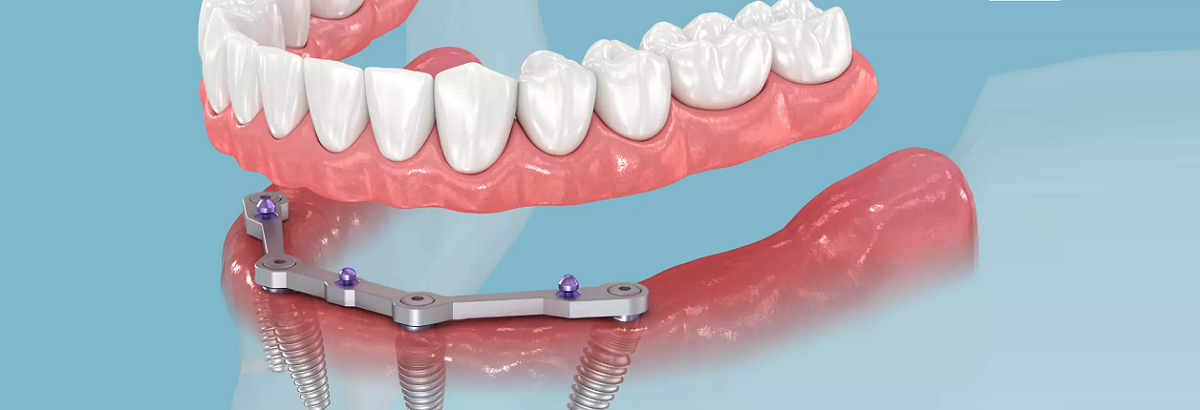
Yes, dental implants can look very natural when they are carefully planned, accurately placed, and restored with a high-quality crown. The visible crown is designed to resemble a natural tooth in colour, shape, size, and translucency. The implant fixture is positioned beneath the gum and jawbone, so most people see only the tooth-like crown rather than the implant itself. People considering زراعة الأسنان في دبي should consult a qualified dental professional to discuss their oral health, smile line, gum condition, and aesthetic expectations before treatment.
A natural-looking result depends on more than the implant material. The dentist must consider the position of the missing tooth, the shape of the gumline, the condition of the surrounding teeth, the amount of available bone, and the design of the final restoration. Dental implant aesthetics involve both the visible crown and the soft tissues that surround it.
What Makes A Dental Implant Look Natural?
A natural-looking dental implant should blend smoothly with the neighbouring teeth. The crown should have a suitable shade, realistic translucency, natural surface texture, and appropriate proportions. It should also follow the curve of the gumline and fit comfortably with the patient’s bite.
The crown should not appear too large, too white, too flat, or too bulky. The contact points between the implant crown and nearby teeth should also be carefully designed. These details help the replacement tooth look like part of the natural smile rather than an artificial addition.
The dentist may use photographs, digital scans, shade guides, and diagnostic models to plan the restoration. A dental laboratory can then create a crown that matches the patient’s existing teeth as closely as possible.
Can Front-Tooth Implants Look Natural?
Front-tooth implants can provide highly aesthetic results, but they often require more detailed planning than implants placed in the back of the mouth. The front teeth are visible when a person smiles, speaks, or laughs, so even small differences in gum height or crown shape may be noticeable.
The dentist must consider the patient’s smile line, gum thickness, tooth proportions, and the appearance of the neighbouring teeth. The position of the implant should be planned according to the desired position of the final crown.
When the implant is placed too far forward, the gum may become thin or recede, making it harder to achieve a natural appearance. Proper three-dimensional implant positioning helps create a more harmonious transition between the crown and gum tissue.
Which Crown Materials Look Most Natural?
The crown is the visible part of the dental implant, so the restoration material has a major influence on appearance. Common materials include zirconia, lithium disilicate, porcelain, and porcelain-fused-to-metal.
All-ceramic crowns are often selected for front teeth because they can reproduce the translucency and colour variations found in natural enamel. Zirconia may also be suitable when strength and a tooth-coloured appearance are important.
The best crown material depends on the position of the missing tooth, bite pressure, available space, gum condition, and aesthetic requirements. A material that works well for a front tooth may not be the ideal choice for a back tooth exposed to stronger chewing forces.
The dentist should also consider the colour of the surrounding teeth. A crown that is noticeably brighter or darker than nearby teeth may look unnatural, even when the material itself is high quality.
Are Zirconia Implants More Natural-Looking Than Titanium?
Zirconia implants and abutments may provide an aesthetic advantage in selected cases because zirconia is tooth-coloured. This may be helpful when the gum tissue is thin and there is a possibility that a darker underlying component could become visible.
Titanium implants can also look very natural. The implant fixture is normally hidden beneath the gum and bone, while the visible crown can be made from ceramic or another suitable material. When the implant is accurately positioned and the gums are healthy, the underlying titanium may not be visible at all.
The decision between zirconia and titanium should not be based only on colour. The dentist must also consider bone support, gum health, bite forces, implant design, medical history, and long-term reliability.
Why Is Gum Health Important?
Healthy gum tissue is essential for a natural-looking implant. The gum should form a smooth and balanced contour around the crown. Swelling, recession, gaps, or uneven gum levels may make the restoration appear less natural.
Thin gum tissue can increase the risk of visible colour changes around the implant area. If bone or gum tissue has been lost, the dentist may recommend additional treatment before or during implant placement.
Depending on the patient’s condition, this may include bone grafting, gum grafting, or other procedures designed to improve tissue support. Not every patient needs these treatments, but they may be important when replacing a front tooth in a highly visible area.
How Does Implant Placement Affect Appearance?
Implant placement is one of the most important factors in achieving a natural result. The implant should be positioned according to the planned crown and the surrounding bone and gum anatomy.
The dentist may use three-dimensional imaging to assess bone volume, nearby structures, and the safest position for the implant. Digital planning can help the dental team coordinate the surgical and restorative stages.
A temporary crown may also be used to guide the shape of the gum tissue during healing. The temporary restoration helps the dentist evaluate the crown’s appearance and adjust the gum contour before the final crown is produced.
Can Dental Implants Match Existing Teeth?
Yes. A skilled dentist and dental laboratory can usually design an implant crown to match the patient’s existing teeth. However, exact matching may be more difficult when the surrounding teeth have unusual shapes, stains, restorations, or significant colour differences.
The dentist may evaluate the natural teeth under different lighting conditions before selecting the crown shade. The shape of the crown should also match the patient’s facial features, smile line, and neighbouring teeth.
For some patients, additional cosmetic dental treatment may be discussed if the surrounding teeth need to be improved for a more consistent overall appearance. Any such treatment should be based on the patient’s needs rather than performed automatically.
How Can Patients Protect The Natural Appearance?
Maintaining healthy gums and the implant crown is important after treatment. Patients should brush twice daily, clean between teeth with suitable interdental tools, and attend regular dental checkups.
Professional cleaning may be recommended to remove plaque and calculus from areas that are difficult to clean at home. Patients should also avoid smoking and follow the dentist’s instructions for protecting the restoration.
Contact a dentist if the implant crown becomes loose, the gums bleed repeatedly, swelling develops, or the bite changes. Early assessment can help prevent inflammation or mechanical problems from affecting the appearance and function of the implant.
Frequently Asked Questions:
Do dental implants look like real teeth?
Yes. A well-planned implant crown can closely resemble a natural tooth in colour, shape, texture, and function.
Are front dental implants harder to make natural-looking?
Front implants can require more detailed planning because the crown and gumline are visible when smiling. Gum thickness, bone support, and implant position are especially important.
Which crown material looks most natural?
High-quality ceramic materials, including zirconia and lithium disilicate, can provide a natural appearance. The best choice depends on the tooth’s location, bite, gum condition, and aesthetic needs.
Can titanium implants look natural?
Yes. Titanium implants are placed beneath the gum and are usually covered by a ceramic crown. Accurate placement and healthy gum tissue help create a natural result.
What if the implant crown looks too large or different from my teeth?
Speak with your dentist. The crown may be adjusted or remade if its shape, colour, bite, or contour does not match the surrounding teeth appropriately.
Conclusion:
Dental implants can look natural when the implant is correctly positioned and the crown is carefully designed to match the surrounding teeth. The final appearance depends on crown material, gum health, bone support, implant placement, shade matching, and professional planning. Zirconia and ceramic restorations may provide excellent aesthetic results, but titanium implants can also look highly natural when properly restored. A qualified dental consultation can help determine the most suitable approach for achieving a balanced, comfortable, and natural-looking smile.