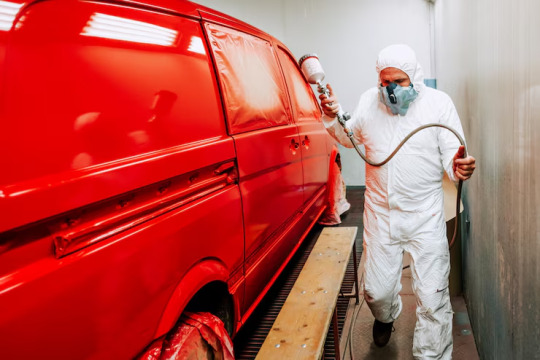
A car’s exterior is constantly exposed to sunlight, dust, road particles, moisture, and everyday environmental conditions. Over time, these factors can make the paint look dull, faded, or covered with fine surface marks. For vehicle owners considering car polish in dubai, understanding what polishing does, when it is needed, and how to maintain the finish afterward can help protect the appearance of the vehicle.
What Is Car Polishing?
Car polishing is a detailing process designed to improve the appearance of a vehicle’s painted surface.
Depending on the condition of the paint, polishing can help reduce the appearance of minor surface imperfections, light swirl marks, oxidation, and loss of gloss.
Polishing is different from simply washing or waxing a vehicle. Washing removes dirt from the surface, while polishing works on the paint finish itself. Wax or other protective products can then be used to provide additional protection.
The exact polishing process depends on the condition and type of the vehicle’s paint.
Why Does Car Paint Become Dull?
Several factors can affect the appearance of automotive paint over time.
Sun Exposure
Strong sunlight can gradually affect a vehicle’s exterior finish. Prolonged exposure may contribute to fading, oxidation, and reduced gloss.
Dust and Dirt
Dubai’s dusty environment means vehicles can accumulate contaminants quickly.
If dust is not removed correctly, repeated washing or wiping can contribute to fine surface marks.
Road Contaminants
Vehicles can also collect grime, oils, and other contaminants during everyday driving.
These contaminants can make the surface appear less clean and glossy.
Improper Washing
Using rough cloths, unsuitable cleaning products, or incorrect washing techniques can contribute to scratches and swirl marks.
Proper washing habits are therefore an important part of maintaining polished paint.
Benefits of Professional Car Polishing
A professional polishing service can offer several benefits depending on the vehicle’s condition.
Improved Gloss
Polishing can help restore some of the shine that has been lost over time.
A properly prepared surface can reflect light more evenly, making the vehicle appear cleaner and more vibrant.
Reduction of Minor Surface Marks
Certain light scratches, swirl marks, and surface imperfections may become less noticeable after polishing.
However, polishing cannot remove every type of scratch.
If a scratch has gone deeply through the paint layers, other repair methods may be necessary.
Smoother Paint Surface
Polishing can help improve the feel and appearance of the painted surface.
A smooth finish can also make the vehicle easier to maintain during regular washing.
Better Overall Appearance
A well-maintained exterior can make an older vehicle look more refreshed.
Polishing can be particularly useful before selling a car or preparing it for a special occasion.
Polishing vs. Waxing
Polishing and waxing serve different purposes.
Polishing is primarily used to improve the paint surface and address certain imperfections.
Waxing, on the other hand, is generally used as a protective finishing step.
A detailing service may use both processes depending on the condition of the vehicle.
It is important to understand the difference because simply applying wax over a dull or heavily marked surface may not provide the same visual improvement as correcting the paint first.
How the Car Polishing Process Works
A professional detailing process generally involves several stages.
1. Exterior Inspection
The vehicle is inspected to identify scratches, swirl marks, oxidation, stains, and other paint imperfections.
This helps determine which polishing method is appropriate.
2. Thorough Cleaning
The vehicle needs to be cleaned before polishing.
Dirt and loose contaminants must be removed so they do not interfere with the polishing process.
3. Surface Preparation
Depending on the condition of the vehicle, additional preparation may be required.
This can include removing bonded contaminants and ensuring that the paint surface is suitable for polishing.
4. Polishing
A suitable polishing compound and machine or hand application method can then be used.
The technician works carefully across the painted panels to improve the surface.
5. Final Inspection
After polishing, the vehicle should be inspected under suitable lighting.
This allows the technician to check the finish and identify any areas requiring additional attention.
Different Levels of Paint Correction
Not every vehicle needs the same level of polishing.
A light polishing service may be suitable for a vehicle with minor dullness or surface marks.
More extensive paint correction may be required when the paint has significant swirl marks, oxidation, or other imperfections.
The level of correction should depend on the actual condition of the paint.
A professional detailer can assess the vehicle before recommending a specific service.
Can Polishing Remove Deep Scratches?
This is a common question among vehicle owners.
Polishing can improve some light surface scratches, but deeper scratches may extend beyond the layers that can safely be corrected through polishing.
If the scratch has reached the underlying paint or material, repainting or another repair may be required.
Trying to remove deep scratches through excessive polishing can potentially damage the paint.
A professional assessment is therefore recommended before attempting aggressive correction.
Why Technique Matters
The quality of a polishing job depends partly on the technique used.
Using too much pressure, an unsuitable compound, or incorrect equipment can create additional marks or affect the paint surface.
Different paint finishes may also respond differently to polishing.
Professional detailers can select suitable products and techniques based on the vehicle’s paint condition.
Dubai’s Climate and Vehicle Paint
Dubai’s environmental conditions can be challenging for vehicle exteriors.
Strong sunlight, high temperatures, dust, and frequent outdoor exposure can contribute to paint deterioration.
This makes regular exterior care especially useful.
Parking in covered or shaded areas when possible can reduce direct sun exposure.
Regular washing can also help remove dust and contaminants before they remain on the surface for extended periods.
Preparing a Car for Polishing
Before a polishing appointment, owners can remove personal belongings from the vehicle.
They can also tell the detailer about any areas of concern, such as scratches, stains, previous repairs, or paintwork.
If the vehicle has had panels repainted previously, mentioning this can be useful because different paint surfaces may require different treatment.
Clear communication can help the detailer understand the desired outcome.
Choosing a Car Polishing Service
Several factors should be considered when selecting a detailing provider.
Experience
An experienced detailer is more likely to understand different paint types and correction requirements.
Equipment
Professional polishing requires appropriate machines, pads, compounds, lighting, and other detailing equipment.
Attention to Detail
A quality service should focus on the entire painted surface rather than simply making the car look shiny for a short period.
Clear Service Information
Customers should understand what the polishing package includes before approving the service.
Previous Work
Looking at examples of previous detailing work can help customers understand the expected finish.
Don’t Choose Only by Price
Cost is an important consideration, but the cheapest polishing service may not always provide the best result.
The price can vary depending on:
-
Vehicle size
-
Paint condition
-
Level of correction
-
Number of stages
-
Products used
-
Labor required
-
Additional detailing services
Customers should compare what is included rather than comparing prices alone.
Maintaining the Finish After Polishing
Once a vehicle has been polished, proper maintenance can help preserve the improved appearance.
Owners should use suitable automotive cleaning products and soft microfiber materials.
Harsh chemicals and rough cleaning tools should be avoided.
Regular washing can prevent dust and contaminants from accumulating.
Parking in a covered area when possible can also help reduce exposure to direct sunlight.
How Often Should a Car Be Polished?
There is no single polishing schedule that applies to every vehicle.
The frequency depends on the condition of the paint, how often the car is driven, where it is parked, and how it is washed.
Polishing should not simply be performed repeatedly without considering the condition of the paint.
A professional detailer can evaluate the vehicle and determine whether polishing is currently necessary or whether routine washing and protection are sufficient.
Polishing Before Selling a Car
A clean and well-maintained exterior can improve the overall presentation of a vehicle.
For owners preparing to sell their car, professional polishing may help restore some gloss and make minor surface imperfections less noticeable.
However, polishing should be viewed as part of preparing the vehicle rather than a way to conceal major damage.
Honest inspection and appropriate repairs remain important when presenting a vehicle for sale.
Combining Polishing With Other Detailing Services
Car polishing is sometimes included as part of a larger detailing package.
Depending on the provider, customers may also find services such as:
-
Exterior washing
-
Interior cleaning
-
Paint correction
-
Waxing
-
Sealant application
-
Headlight restoration
-
Interior detailing
Customers should confirm exactly what is included before booking a package.
When Professional Polishing Is Worth Considering
Professional polishing may be useful when a vehicle has:
-
Dull paint
-
Light swirl marks
-
Minor surface imperfections
-
Reduced gloss
-
Light oxidation
-
Surface contaminants
-
Uneven-looking paint
For more serious paint damage, the vehicle may require bodywork or repainting instead.
Conclusion
Car polishing can be an effective way to improve the appearance of a vehicle’s exterior when the paint has lost some of its gloss or developed minor surface imperfections. However, the results depend on the condition of the paint, the products used, and the quality of the polishing technique.
For vehicle owners considering car polish in dubai, choosing an experienced detailing provider and understanding the service beforehand can help ensure realistic expectations. Professional inspection is particularly useful when dealing with deeper scratches, oxidation, or previously repaired paint.
Regular washing, suitable cleaning products, careful maintenance, and protection from excessive sun exposure can help preserve the finish after polishing. With proper care, a clean and glossy exterior can remain an important part of keeping a vehicle looking well maintained.