A reverse osmosis filter system works amazingly for producing great, clean-tasting water, and anyone who’s used one can tell just how much of a difference it makes. But here’s a thing: like any other filtration system, it also has a specific time period when it needs to be replaced. And the reason for this is clog gage, worn-out membranes, and reduced water quality. Many people do not realize that something is wrong until it’s obvious or worse, after months of drinking less-than-ideal water.
Now the question is: how do you know when it’s time to replace your RO system or its parts? Let’s take a look at the signs below to know.
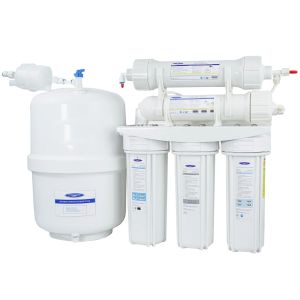
Water Doesn’t Taste Right
If your usually fresh, clean water suddenly tastes bitter, metallic, or smells bad, it’s a sign that your RO filter is not doing its job the right way. A reverse osmosis system is designed to trap all the impurities, like chlorine, chloramine, chemicals, and sediment. Over time, the system gets full, due to which all the impurities can start slipping through, making your taste weird or smell bad. So, if you’re noticing such an issue with your filtered water, consider replacing it.
Changes in Water Flow
If you notice that your RO system’s tap takes longer to fill a glass than it used to, it means there’s something wrong with the water flow. Either the system is clogged, or the filters and membranes are worn out. The reason this happens is that, over time, particles and minerals build up in the filters and membrane, which makes it harder for water to pass through, resulting in low water pressure.
Cloudy or Milky Water
When you pour water into the glass, it sometimes looks cloudy or milky. These are usually tiny air bubbles. But if you’re continuously noticing it, there’s an issue with the filter. A properly working RO system should produce clear water. But if it’s consistently producing cloudy water, it may mean the filters are no longer removing minerals or other particles effectively.
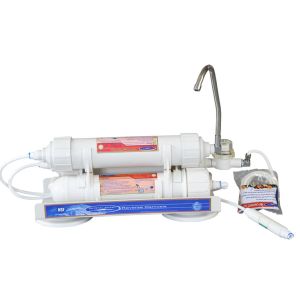
Filter Replacement Time is Overdue
Every filter comes with a recommended replacement schedule for changing filters. For example, some filters need to be changed every 6 months, while others, the RO membrane can last 2-3 years, depending on usage and water quality. If you’ve skipped the replacement schedule, it’s obvious that water quality could start to drop, even if it still looks or tastes okay. So, it’s essential to check your system’s manual and keep up with the schedule.
Hearing Strange Noises
A good reverse osmosis filter system works quietly. But if yours has suddenly started making strange noises, like gurgling, hissing, or rattling, it may mean the system is clogged or running under pressure. It’s better to inspect the system or call a professional if you hear such noises.
Leaks or Water around the System
Noticing leaks or water around the system is also a serious warning sign. Even a small leak can reduce water pressure and let unfiltered water mix with clean water. The reason leaks happen is usually worn-out filters, loose fittings, or a failing RO membrane that can no longer handle everything in place.
Water Testing Kit Shows Contamination
Use a water testing kit to determine if your RO system is working properly or not. If the test kit shows common things like TDS, chlorine, or heavy metals, it means it’s not working as it’s supposed to be. Testing can reveal problems early, even if everything else looks fine: taste, smell, or pressure.
Tips to Keep Your RO System Working for Longer Period
A replacement is necessary, but with regular care of the system, it can last much longer. Here are a few tips to follow:
- Make sure to replace the filter and membranes as recommended in the schedule.
- Flush the system periodically. This will help remove any buildup and keep the filters & membrane working properly.
- Check all connections and fittings for leaks, and tighten them if needed. Doing this will prevent water damage.
- Use a water testing kit to determine the water quality and spot any problems early, so you know when it’s time to replace filters or the membrane.
- Cleaning the storage tank, from time to time, will prevent bacteria or sediment from accumulating.
These tips are easy to follow and will not take you much time; instead, they help keep your RO system running smoothly for longer.
Final Thoughts
A reverse osmosis filter is a smart investment for your health. But like any other filter, it wears out and causes issues like slow water flow, reduced quality, strange taste, odd noises, leaks, and cloudy water. To avoid these issues, you need to make sure you do regular care of your system and replace it according to the recommended replacement schedule. After all, clean water is not just nice to have, it’s important for staying healthy and doing your best every day.