Finding the right words shouldn’t be a struggle. Whether it’s a child taking their first steps toward talking or an adult recovering from a health setback, communication is the bridge that connects us to the world.
If you are looking for a speech therapist in Mississauga, you are likely looking for more than just “speech lessons.” You are looking for a way to help your loved one express their thoughts, build confidence, and thrive.
At Butterfly Therapy, we believe that every voice deserves to be heard. In this post, we’ll explore what speech-language therapy is, how it helps, and why local support makes all the difference.
What is Speech-Language Therapy?
Speech-language therapy is a healthcare specialty focused on helping people improve their communication and swallowing skills. It isn’t just about “fixing a lisp.” It covers everything from how we form sounds to how we understand what others are saying.
The experts who provide this care are called Speech-Language Pathologists (SLPs). They work with people of all ages to overcome barriers that make it hard to connect with others.
The Two Sides of Communication:
-
Speech: This is the physical act of making sounds. It involves coordination of the breath, vocal cords, tongue, and lips.
-
Language: This is the “brain” side of things. It includes understanding what words mean (receptive language) and knowing how to put words together to share ideas (expressive language).
Why Would Someone Need a Speech Therapist?
Communication challenges look different for everyone. Some children may have a “speech delay,” where they aren’t meeting milestones as quickly as their peers. Others might have specific conditions that require expert guidance.
Common reasons families seek a speech therapist Mississauga include:
-
Articulation Disorders: Difficulty making certain sounds (like saying “wabbit” instead of “rabbit”).
-
Stuttering (Fluency): Interruptions in the flow of speech, such as repeating sounds or getting “stuck” on words.
-
Social Communication: Challenges with the unwritten rules of talking, like taking turns in a conversation or understanding body language.
-
Apraxia of Speech: A brain-to-muscle connection issue where the person knows what they want to say but the brain struggles to move the mouth parts correctly.
-
Late Talkers: Toddlers who have a limited vocabulary for their age.
The Butterfly Therapy Approach: Spreading Your Wings
At Butterfly Therapy, we understand that therapy works best when it feels like a natural part of life. We don’t believe in a “one size fits all” model. Instead, we focus on a family-centered approach that makes progress feel like a win for everyone.
1. Play-Based Learning
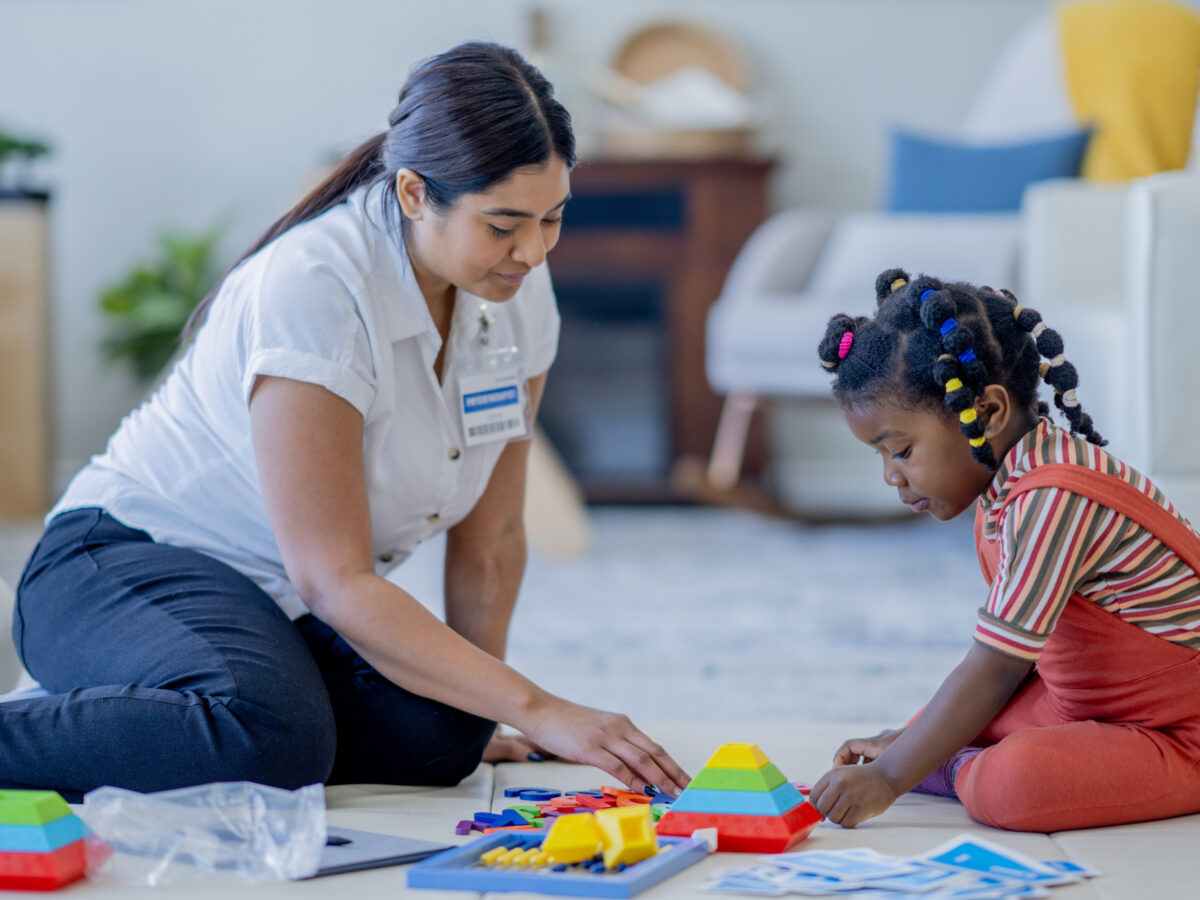
For children, play is their “work.” Our sessions often involve games, toys, and storytelling. When a child is having fun, they are more likely to take risks and try new sounds.
2. Personalized Goals
Every individual has different needs. Whether the goal is to be understood by teachers at school or to use an AAC (Augmentative and Alternative Communication) device, we tailor our plans to what matters most to your family.
3. Parent Involvement
You are the expert on your child. We provide parents with the tools and strategies to continue the work at home. This ensures that the progress made in the clinic carries over into everyday life.
The Benefits of Early Intervention
One of the most frequent questions we hear is: “Should we wait and see?”
While every child develops at their own pace, research shows that early intervention is the key to the best results. The brain is most flexible in the early years. By addressing challenges early, we can:
-
Boost School Readiness: Communication is the foundation of reading and writing.
-
Reduce Frustration: Children who can’t express themselves often resort to tantrums. Giving them words reduces stress.
-
Build Confidence: Successful communication helps children feel proud and eager to socialize.
More Than Just Talking: Swallowing and Literacy
Many people are surprised to learn that a speech therapist Mississauga also helps with eating and reading.
-
Feeding and Swallowing: The same muscles we use for talking are used for eating. SLPs help children who are “picky eaters” due to sensory issues or those who have trouble chewing and swallowing safely.
-
Literacy Skills: There is a huge link between spoken language and reading. We help children with “phonological awareness”—the ability to hear and play with sounds in words—which is the first step to becoming a great reader.
Finding a Speech Therapist in Mississauga
Mississauga is a vibrant, diverse community, and we are proud to serve families right here in the heart of it. Choosing a local therapist means less time in traffic and more time focusing on what matters.
When looking for the right fit, consider:
-
Credentials: Ensure the therapist is registered with the College of Audiologists and Speech-Language Pathologists of Ontario (CASLPO).
-
Environment: Does the clinic feel welcoming? At Butterfly Therapy, we strive to create a “home away from home” vibe.
-
Specialization: Does the therapist have experience with your specific needs, such as Autism, Gestalt Language Processing, or motor speech?
Final Thoughts
Communication is a human right. Whether your child is facing a small hurdle or a long-term challenge, you don’t have to walk the path alone.
At Butterfly Therapy, we are dedicated to helping our clients “spread their wings.” If you have concerns about your child’s speech or language development, reaching out for an assessment is the best first step you can take.
Ready to start the journey? Contact a speech therapist Mississauga today and let’s help your loved one find their voice.