A vehicle’s timing chain is one of the most important components inside the engine, yet it often receives little attention until a problem develops. Unlike a timing belt, which has a scheduled replacement interval in many vehicles, a timing chain is designed to last much longer. However, “long-lasting” does not mean “lifetime,” especially in certain Mini Cooper models where premature timing chain wear has become a well-known maintenance concern.
Understanding the timing chain replacement cost is essential for Mini owners who want to protect their investment and avoid unexpected engine damage. Whether you own a standard Mini Cooper or a performance-focused Cooper S, recognizing the warning signs and understanding the replacement process can save significant repair expenses in the future.
This guide explores how timing chains work, why replacement becomes necessary, what influences repair costs, and the best maintenance practices to keep your Mini performing reliably for years.
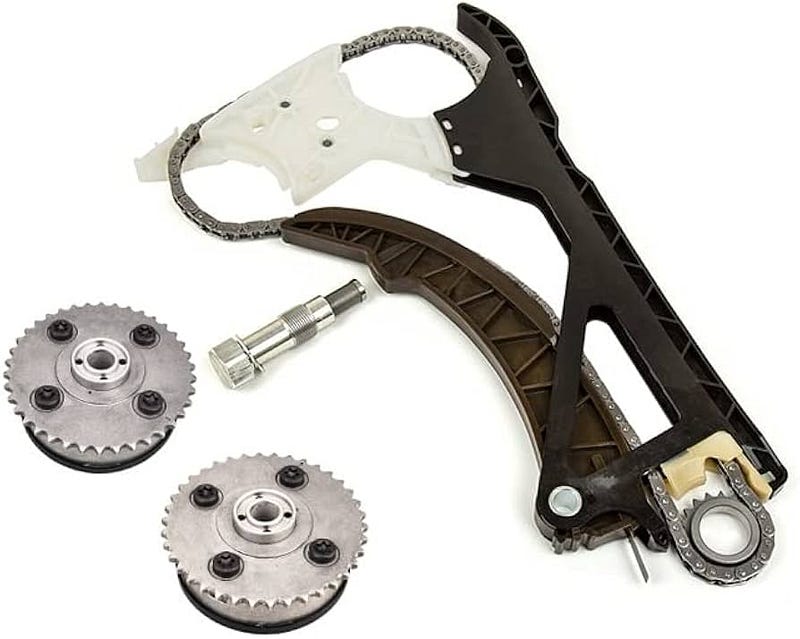
Why the Timing Chain Is Critical to Engine Performance
The timing chain synchronizes the rotation of the crankshaft and camshaft, ensuring that engine valves open and close at precisely the correct moment. This synchronization allows combustion to occur efficiently while preventing internal engine components from colliding.
Modern Mini Cooper engines rely heavily on precise valve timing for:
- Smooth engine operation
- Maximum fuel efficiency
- Reduced emissions
- Consistent engine power
- Long-term engine reliability
Even slight timing deviations can affect engine performance. If a worn timing chain stretches or jumps teeth on the sprockets, the consequences may include severe internal engine damage that requires expensive repairs or complete engine replacement.
Because of this, early diagnosis is considerably more cost-effective than waiting until complete failure occurs.
Why Mini Cooper Timing Chains Sometimes Wear Earlier Than Expected
Many drivers assume a timing chain will last the lifetime of the vehicle. While this is often true for some manufacturers, certain Mini Cooper engines have experienced timing chain wear earlier than expected.
Several factors contribute to this issue.
Oil Quality and Maintenance
The timing chain depends on proper engine lubrication. Delayed oil changes or low-quality engine oil can accelerate wear on:
- Chain links
- Guides
- Hydraulic tensioners
- Camshaft components
Fresh oil helps reduce friction while maintaining the hydraulic pressure required for correct chain tension.
High Mileage
As vehicles accumulate mileage, normal wear gradually stretches the chain. Although the stretching is usually minimal, enough wear can affect valve timing accuracy.
Driving Conditions
Frequent short journeys, stop-start city driving, and aggressive acceleration increase stress on engine components. These driving conditions can shorten the lifespan of timing chain assemblies.
Tensioner Failure
In many cases, the timing chain itself is not the only worn component. The hydraulic tensioner or plastic chain guides may deteriorate first, allowing excess chain movement that eventually causes additional wear.
Recognising Early Warning Signs
Ignoring early symptoms often leads to more expensive repairs. Fortunately, most timing chain issues develop gradually rather than instantly.
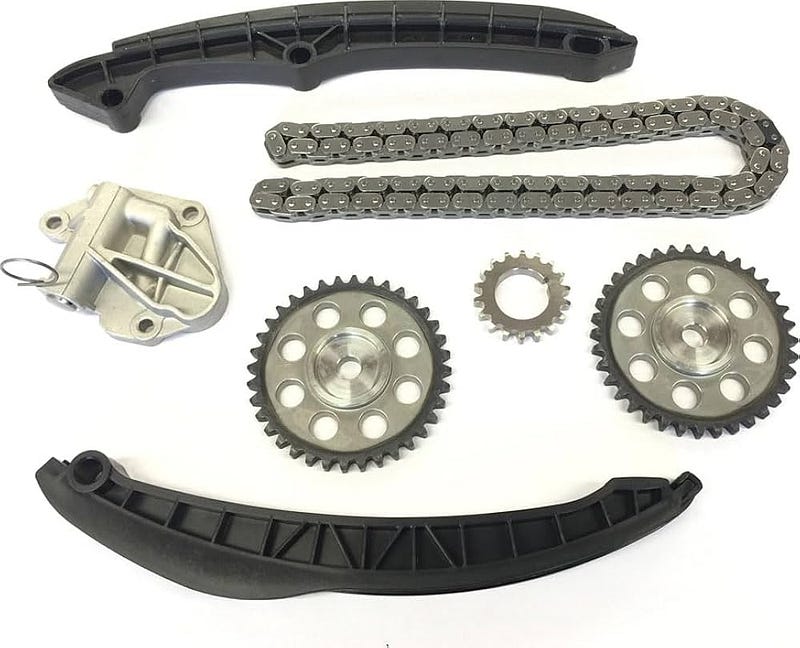
Drivers should pay attention to symptoms including:
- Metallic rattling during cold starts
- Engine warning light illumination
- Rough idling
- Poor acceleration
- Misfiring
- Reduced fuel economy
- Engine hesitation
- Diagnostic fault codes related to camshaft timing
One of the most recognised indicators is a rattling noise from the front of the engine during startup. This sound may disappear after a few seconds as oil pressure builds, but it should never be ignored.
Professional diagnostic testing can identify whether the chain, guides, or tensioner require replacement before major engine damage occurs.
Understanding Timing Chain Replacement Cost
The timing chain replacement cost varies depending on multiple technical and practical factors rather than one fixed price.
Common influences include:
Vehicle Model
Different Mini Cooper generations use different engine designs.
Examples include:
- Mini Cooper Hatch
- Mini Cooper S
- Mini Clubman
- Mini Convertible
- Mini Countryman
- Mini Paceman
Each engine layout requires varying labour times and replacement procedures.
Labour Complexity
Replacing a timing chain is a labour-intensive repair.
The technician may need to remove:
- Engine covers
- Auxiliary drive components
- Engine mounts
- Timing covers
- Cooling system components
Accurate timing tools are also required to correctly align camshafts during installation.
Parts Replaced
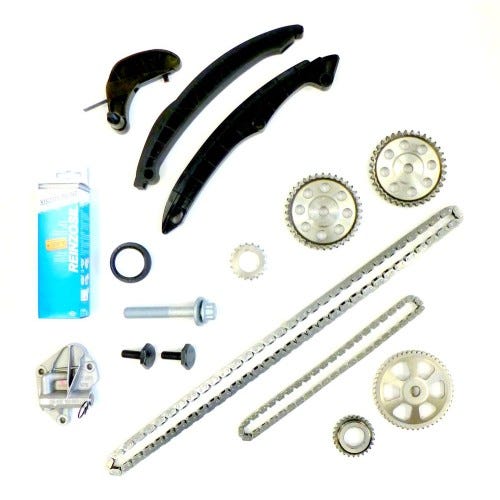
A complete repair usually includes more than just the chain itself.
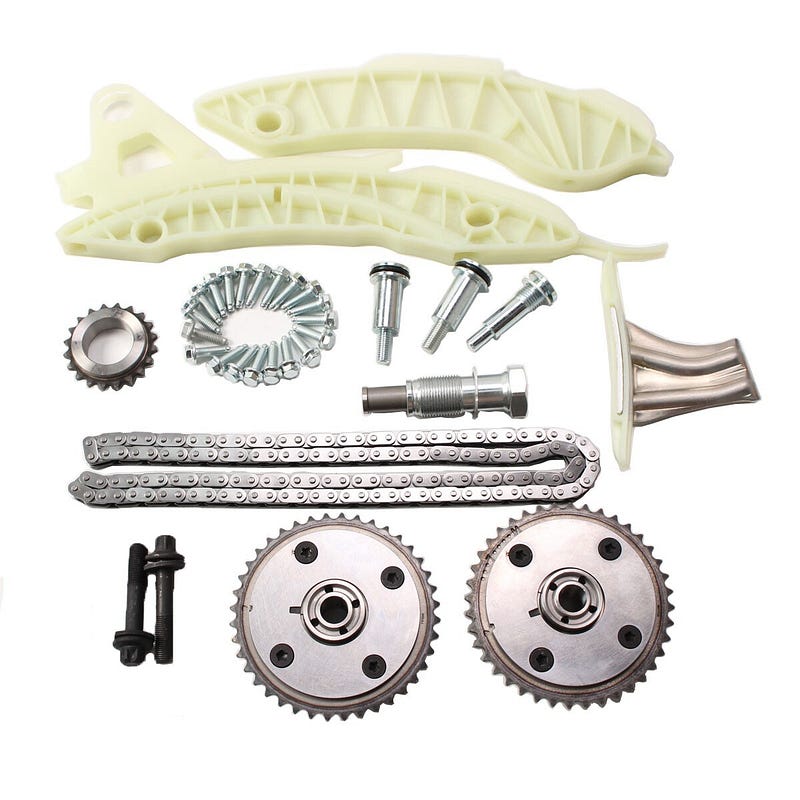
Most experienced technicians recommend replacing:
- Timing chain
- Chain guides
- Hydraulic tensioner
- Sprockets (if worn)
- Crankshaft seal
- Timing cover gasket
- Fresh engine oil
- Oil filter
- Coolant where required
Replacing the complete assembly improves long-term reliability compared to changing only the chain.
Engine Condition
If a worn timing chain has already caused valve timing problems, additional repairs may become necessary.
Potential repairs could include:
- Bent valves
- Damaged pistons
- Cylinder head work
- Camshaft repairs
Addressing timing chain issues early typically prevents these costly complications.
Mini Cooper Timing Chain Replacement: What the Process Involves
A professional mini cooper timing chain replacement follows a detailed procedure designed to restore precise engine timing.
Although the exact steps vary between engine types, the process generally includes:
- Complete engine inspection
- Diagnostic scan for fault codes
- Removal of front engine components
- Locking crankshaft and camshafts with specialist tools
- Removal of old timing chain assembly
- Inspection of sprockets and guides
- Installation of new chain kit
- Accurate engine timing verification
- Reassembly
- Oil and filter replacement
- Final diagnostic testing
- Road testing
Precision is essential throughout the procedure. Even slight installation errors may affect engine performance or cause serious mechanical damage.
Mini Cooper S Timing Chain Replacement: Additional Considerations
The mini cooper s timing chain replacement process shares many similarities with standard Mini Cooper models but may involve additional complexity depending on the engine generation.
Turbocharged Cooper S models often operate under higher thermal and mechanical loads, placing greater demands on timing components.
Owners should ensure technicians inspect:
- Turbo-related components
- Oil supply condition
- Variable valve timing mechanisms
- Camshaft wear
- Timing chain guides
- Hydraulic tensioners
Routine maintenance becomes especially important on turbocharged engines because clean oil directly supports both turbocharger health and timing chain longevity.
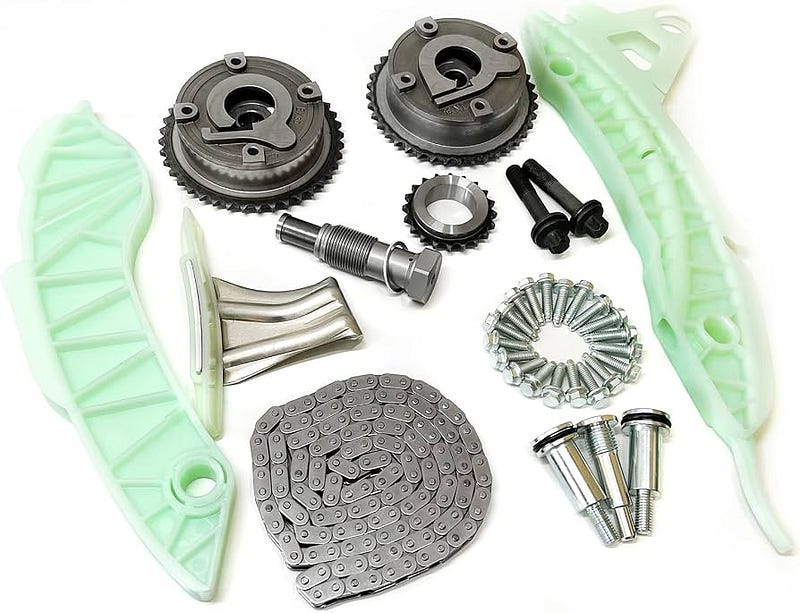
Can Preventive Maintenance Reduce Future Repair Costs?
Absolutely.
Although timing chains cannot last indefinitely, proper maintenance significantly extends their service life.
Recommended practices include:
- Regular manufacturer-approved oil changes
- Using correct oil viscosity
- Checking engine oil levels frequently
- Investigating unusual engine noises promptly
- Avoiding extended operation with warning lights
- Scheduling periodic inspections on higher-mileage vehicles
These simple habits often reduce long-term repair expenses while improving engine reliability.
Common Myths About Mini Timing Chains
Several misconceptions continue circulating among vehicle owners.
Myth: Timing Chains Never Need Replacement
Reality: Although designed for long service life, timing chains eventually wear and may require replacement depending on maintenance history and engine design.
Myth: Engine Noise Is Always Harmless
Reality: Startup rattles can indicate chain or tensioner wear that should be professionally inspected.
Myth: Replacing Only the Chain Is Enough
Reality: Replacing guides and tensioners together generally provides a more reliable long-term repair.
Myth: Any Garage Can Perform the Job
Reality: Proper timing chain replacement requires specialist locking tools, manufacturer procedures, and technical expertise.
Choosing a Qualified Repair Specialist
Because timing chain replacement requires advanced mechanical knowledge, selecting an experienced workshop is essential.
Consider workshops that offer:
- Experienced technicians
- Modern diagnostic equipment
- Quality replacement components
- Transparent inspections
- Clear explanations of recommended repairs
- Comprehensive post-repair testing
Many UK workshops specialising in Mini vehicles, including providers such as S&M Auto Service, emphasise complete timing chain system inspections rather than replacing individual components alone. This approach helps improve long-term engine reliability and reduces the likelihood of repeat repairs.
For owners researching mini timing chain replacement, reviewing technical guidance from experienced service providers can also help explain common warning signs, repair procedures, and maintenance recommendations before booking an inspection.
Industry Trends in Modern Engine Timing Systems
Automotive engineering continues evolving to improve fuel economy and reduce emissions.
Current trends include:
- Lightweight timing chain materials
- Improved hydraulic tensioner designs
- Enhanced chain guide materials
- More advanced variable valve timing systems
- Greater reliance on electronic diagnostics
- Predictive maintenance through onboard monitoring
While these innovations improve performance and efficiency, they also increase the importance of specialist servicing and accurate diagnostic procedures.
Modern engines have tighter manufacturing tolerances than previous generations, making precision repairs more important than ever.
Practical Advice Before Scheduling a Timing Chain Inspection
Vehicle owners can take several practical steps before visiting a workshop.
Prepare information such as:
- Current mileage
- Service history
- Oil change intervals
- Description of engine noises
- Dashboard warning lights
- Previous repair records
Providing accurate information helps technicians diagnose problems more efficiently and identify whether the issue involves the timing chain, tensioner, guides, or another engine component.
Early inspections often prevent significantly larger repair bills later.
Conclusion
Timing chain problems are among the most important mechanical issues Mini Cooper owners should understand. While timing chains are engineered for durability, wear can occur over time due to mileage, oil quality, driving conditions, and component ageing.
Understanding the timing chain replacement cost, recognising early warning signs, and maintaining regular servicing are the most effective ways to protect engine health and avoid major repairs. Whether considering a mini cooper timing chain replacement or a mini cooper s timing chain replacement, early diagnosis remains the key to reducing long-term costs and preserving vehicle reliability.
For UK drivers seeking reliable technical information, reputable service specialists such as S&M Auto Service provide useful guidance on timing chain maintenance, inspection, and repair processes. Staying informed and addressing potential issues early helps ensure that Mini Cooper engines continue delivering dependable performance for many years.