When a customer receives a damaged parcel, attention usually turns to the courier. The delivery company gets blamed, photographs are taken, and a replacement is arranged. What often gets overlooked is a much simpler question: was the parcel properly sealed in the first place?
In packaging operations, sealing is often treated as the final step of the process. Yet it is often the step that determines whether everything else works as intended. A strong carton, quality cushioning, and careful packing can all be undermined by a closure that fails halfway through transit.
For businesses trying to reduce returns, improve customer satisfaction, and protect products in transit, sealing deserves far more attention than it usually receives.
Why Can a Small Sealing Mistake Create a Big Delivery Problem?
A parcel goes through more handling than most people realise. It may be stacked in a warehouse, transferred between vehicles, moved through sorting equipment, and placed alongside hundreds of other packages before reaching its destination.
Every stage places pressure on the carton.
Once a seal starts lifting, the box immediately becomes weaker. Flaps begin to separate, edges become exposed, and the contents inside have more room to move around. In many cases, the product itself is not the first thing to fail. The packaging loses its structure first.
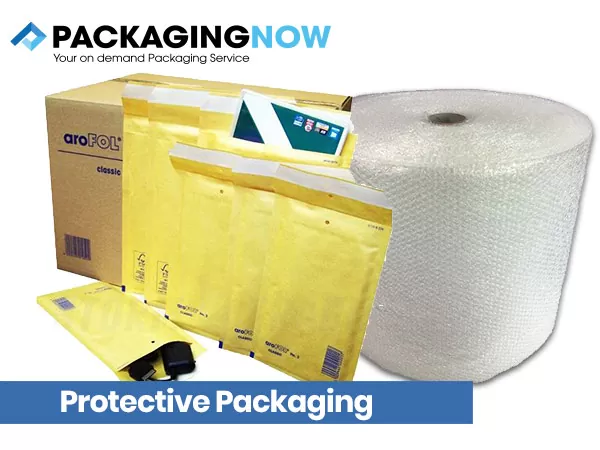
This is why experienced packing teams view protective packaging as a complete system rather than a collection of individual materials. The carton, cushioning, and closure all depend on each other.
A secure seal helps:
- Maintain carton strength during handling
- Reduce internal movement
- Protect contents from dust and moisture
- Support safer stacking during transit
These benefits may seem small individually, but together they play a major role in reducing preventable damage.
Which Sealing Materials Are Most Commonly Used Today?
Acrylic Adhesive Tape
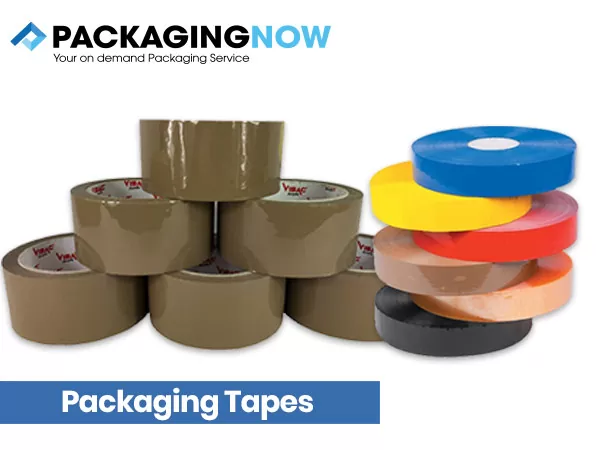
Acrylic tape remains a popular choice because it is dependable and straightforward to use. It performs well across a wide range of everyday shipping applications and is particularly effective for standard retail orders.
It is often used for:
- Subscription boxes
- Fashion products
- Books
- General e-commerce parcels
Packing supervisors often favour acrylic tape because it allows teams to work quickly without compromising consistency.
Hot Melt Adhesive Tape
Some shipments demand a stronger bond. Heavy cartons place greater strain on closure points, particularly when stacked for long periods or transported over longer distances.
Hot melt tape provides additional holding power and is commonly used for:
- Household goods
- Industrial products
- Storage cartons
- Bulk retail orders
Many warehouse operators consider stronger adhesive tapes a practical investment because damaged shipments usually cost far more than the tape itself.
Reinforced Filament Tape
Certain parcels need more than a standard seal. Reinforced filament tape contains fibreglass strands that add strength and stability to heavier packages.
This material is regularly chosen for:
- Appliances
- Export cartons
- Multi-box consignments
- Heavy equipment components
In logistics environments where cartons experience repeated handling, reinforced closures can make a noticeable difference.
Security and Branded Closures
Packaging is not only about protection. Presentation matters too.
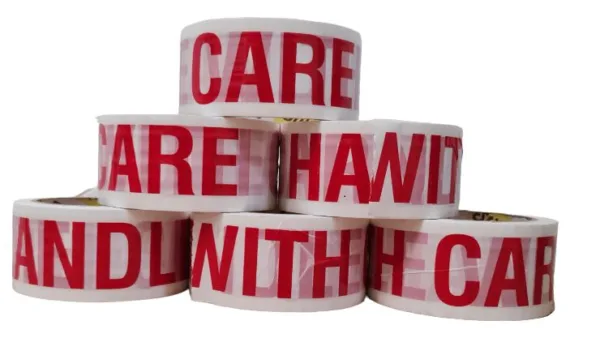
Many businesses use printed tapes because they provide a professional appearance and make tampering easier to spot. If a branded seal has been broken and reapplied, it is usually obvious immediately.
For growing retailers, this combination of protection and presentation offers practical value without adding complexity to the packing process.
How Does Internal Protection Help Seals Perform Better?
One of the most common causes of seal failure has nothing to do with the tape itself.
The problem often starts inside the box.
When products move excessively during transit, pressure constantly shifts from one side of the carton to the other. Over time, that movement creates stress around the closure points.
This is why void-fill materials remain important in modern packaging operations. For example, newspaper offcuts are still used by many businesses to reduce movement inside cartons while supporting the package’s overall structure.
The goal is simple. A stable product places less strain on the seal.
Packaging specialists frequently recommend reviewing internal protection before assuming a stronger tape is needed.
What Packing Habits Often Lead to Avoidable Returns?
Many returns can be traced back to surprisingly simple mistakes.
Common issues include:
- Using too little tape on heavier cartons
- Applying tape to dusty surfaces
- Leaving gaps between carton flaps
- Ignoring edge reinforcement
- Choosing a closure unsuitable for the parcel weight
These problems rarely attract attention during packing. They become visible only after the parcel has travelled through several handling points.
Industry audits consistently show that small improvements in sealing techniques can reduce damage rates without significantly increasing packaging costs.
Even high-quality packaging tapes cannot perform well if they are applied incorrectly.
Why Are Businesses Paying More Attention to Sealing Than Before?
Customer expectations have changed.
People expect products to arrive quickly and in perfect condition. A damaged delivery often shapes a customer’s opinion before the product is even removed from the box.
For that reason, many fulfilment operations now review sealing procedures alongside other packaging supplies rather than treating closures as an afterthought.
A reliable seal contributes to:
- Better customer satisfaction
- Fewer replacement shipments
- Lower return rates
- Reduced product damage claims
The financial impact of these improvements can be significant over time.
Conclusion
Poor sealing rarely receives the same attention as cartons or cushioning materials, yet it can influence the success of an entire shipment. A weak closure can compromise an otherwise well-packed parcel, creating avoidable damage and unnecessary returns.
For businesses looking to improve delivery performance, the solution is not always a new box or additional packing material. Sometimes it begins with something much simpler: ma