Envirotech Geothermal offers contemporary geothermal products that offer effective, reliable and eco-friendly residential and commercial geothermal systems heating and cooling. Under the earth’s surface, the temperature remains fairly constant and geothermal technology can transfer the heat to the building, allowing it to keep a comfortable temperature all year long.
There are many examples of how geothermal technology can offer an energy efficient alternative to other heating and cooling systems both for a large building and for home geothermal heating. Proper system design and professional installation can give the property owner a comfortable temperature throughout the year and save energy use and long-term operating expenses.
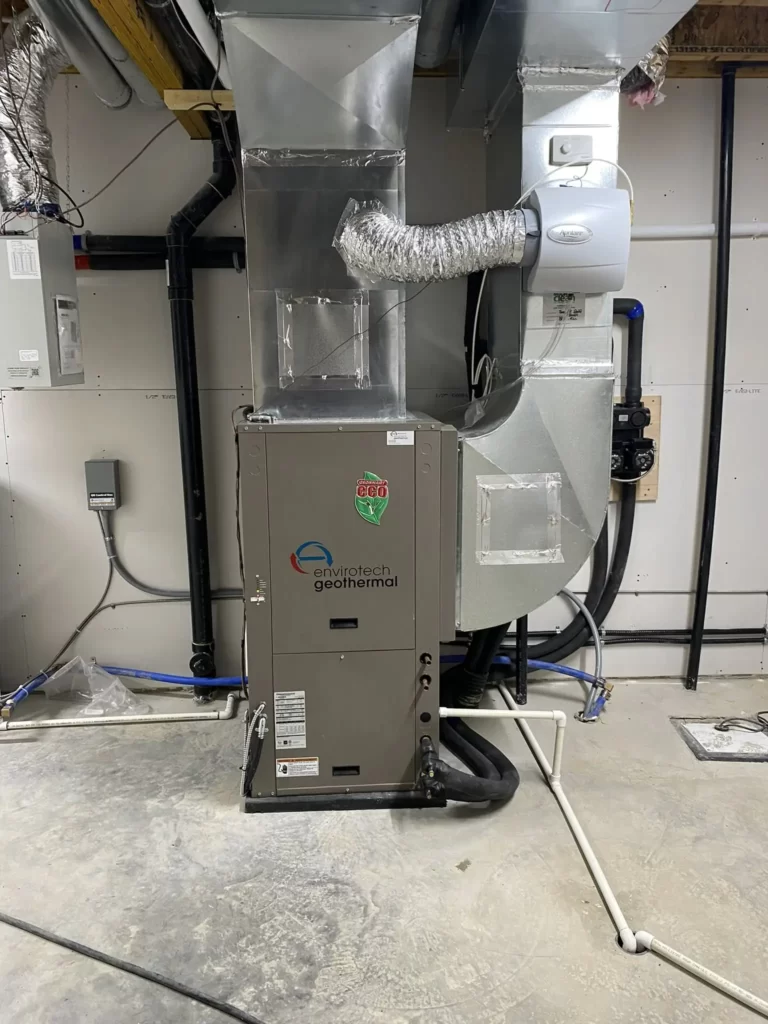
1. What Is a Commercial Geothermal System?
Commercial geothermal systems are geothermal heating and cooling systems that are specifically used for larger buildings, such as offices, retail buildings, schools, warehouses, hotels, healthcare buildings, etc. The difference from traditional HVAC systems is that geothermal systems heat and cool the ground instead of the outside air temperatures.
The temperature of the ground is relatively stable compared to the outside temperature. A geothermal heat pump is able to transfer heat to or from a structure when needed because of this stable environment.
The advantages of commercial geothermal systems are:
- Efficient operation: Geothermal heat pumps operate efficiently, since the ground temperature is more or less constant.
- Heating/cooling: Many can heat and cool using the same technology.
- Reduced ecological footprint: Geothermal can help to displace fossil fuel fuels for heating purposes.
- Long term service: systems that are designed and maintained properly will provide reliable service over many years.
- Less outdoor equipment: Ground-source systems can be used to significantly reduce the need for large, traditional outdoor HVAC equipment.
- Steady temperature control in commercial buildings: Geothermal can offer consistent indoor temperature control in commercial buildings.
System sizing and design are especially critical for commercial property owners, as buildings can have very different heating and cooling loads, depending on their size, occupancy, insulation, windows, and operating schedule.
2. How does Commercial Geothermal Heating and Cooling work?
Typically, a commercial geothermal system includes a geothermal heat pump, ground loop system, circulation equipment and indoor distribution components. The ground loop can take the horizontal or vertical configuration, depending on the circumstances of the land, geology, and project.
In winter, the system will recover heat from the ground and deliver it to the building. In summer time the process can be reversed whereby heat is removed from the building and returned to the ground.
Important System Components
- Ground loop: Generates heat energy.Heat energy: Heat energy generated by the geothermal heat pump.
- Ground loop: Pipes that are buried underground to circulate the fluid.
- Circulation pumps: Circulate water in the ground-loop.
- Heating or cooling distribution system: Provides heating or cooling to the interior of a building.
- Controls: Help regulate temperature and system operation.
Installation should only be made following a professional assessment to ensure proper system configuration and capacity for the property.
3. Modern Homes, Residential Geothermal Heating.
The residential geothermal heating system is an alternative heating system that homeowners can use. A geothermal heat pump uses the earth to heat a house, rather than burning fuel to generate heat.
Depending on site conditions, this technology could be appropriate for new homes and some existing homes depending on heating and cooling loads.
Special benefits of Residential Geothermal Heating:
Stable conditions in the ground – generally more stable conditions in the ground than in the outdoor air.
Comfort all year round: Many geothermal heat pump systems can provide both heating and cooling.
Low outside noise: Geothermal systems don’t emit as much noise outside as some traditional HVAC equipment.
Less reliance on fossil fuels: There is the potential of reducing direct fossil fuel burning for space heat by using electrically powered heat pumps.
Resilient infrastructure for ground-loops: Ground-loops are covered and shielded from weather.
Better temperature stability: Adequately sized systems can maintain consistent indoor temperatures.
Before deciding on a geothermal solution homeowners should take into account land availability, soil conditions, existing heating system, insulation and heating and cooling demands.
In some ways, the commercial and residential geothermal systems are much alike.The commercial and residential geothermal systems are actually comparable in some respects.
Commercial and residential geothermal systems are similar in that they follow the same basic design and principles, but they can be significantly different in the way they are designed and installed.
Commercial projects will generally need more complex systems, bigger ground loops, more sophisticated controls, and more complicated load calculations. The size of residential systems is typically much smaller than commercial systems, but they must be evaluated and sized at the site.
Commercial Geothermal Systems
- Specially used in large buildings or for large heating and cooling systems.
- May employ more or larger heat pumps.
- May be able to include large ground loops vertically or horizontally.
- Typically need extensive engineering and project planning.
- Ideal for offices, schools, hotels, retail, and other commercial buildings.
- Residential Geothermal Heating
- Based on the household heating and cooling needs.
- Typically has a lower size of ground loop installation.
- Be capable of being integrated with appropriate indoor distribution systems.
- May offer heating and cooling from one heating / cooling system.
- Appropriate for a multitude of single-family residences and residential developments.
The system selected is dependent on the property, not on the size.
4. Energy Efficiency and Long-Term Value
High operating efficiency is one of the primary advantages that property owners are attracted to geothermal technology. Geothermal heat pumps do not generate heat, but rather transfer more heat than the electrical energy used by the heat pump itself, when operated under the correct conditions.
Actual savings will vary based on a variety of factors such as local climate, electric rates, building efficiency, system design, ground conditions and equipment being replaced.
Long-Term Value Considerations
- Reduced operating energy: Efficient heat transfer may help to reduce operating energy.
- Energy cost savings (potential): This is dependent upon the existing HVAC system and the energy costs in the area.
- Less exposure to fuel-price fluctuations: In electrically operated heat pumps, no combustion fuel is needed on site for heating.
- Long service potential: Ground-loop systems can be engineered to serve a long service life.
- Reducing the need for separate heating and cooling technologies with heating and cooling in one solution: A reversible system can reduce the need for separate heating and cooling technologies.
When choosing a new sprinkler, property owners should consider the total life cycle cost, and not just the installation cost.
5. Professional Geothermal System Design and Installation
Good geothermal performance is highly dependent on proper system design. If the system is sized incorrectly, it will impact comfort and efficiency. Professional installers will evaluate the property and decide on the type of ground loop and the size of the heat pump.
Key Installation Steps
- Property assessment: Review the building, available land, soil and existing HVAC system.
- Heat and Cooling load calculation – Calculate the capacity of a system.
- Vertical planning: Choose a vertical configuration.Horizontal planning: Choose a horizontal configuration.
- Equipment selection: Select heat pump equipment to meet project requirements.
- Professional installation: make underground loops, heat pump equipment, controls and distribution components.
- System commissioning: Test equipment and controls to make sure that they are working properly.
Establish appropriate inspection and maintenance procedures – maintenance planning.
Early planning is critical for commercial projects, where the excavation process, drilling, access for construction and electrical needs, and construction timelines can impact the project.
6. What does Envirotech Geothermal look for in their clients?
Envirotech Geothermal specialises in geothermal solutions for both domestic and commercial applications of geothermal heat and water. A professional geothermal company can assist property owners with an understanding of system choices, site assessment, and determining a course for their building.
An experienced geothermal company can make the process easier by combining system design, installation, and project planning.
Consider Envirotech Geothermal for these reasons:
- Knowledge of solutions focused on geothermal: Expertise in ground-source heating and cooling.
- Applicable residential projects: Solutions can be applied to appropriate homes and residential projects.
- Application to commercial: Systems can be tailored to meet the needs of larger buildings.
- Ground-loop design can be customized to the space available.
- Efficiency-focused approach: Selection of the system can be based on the capacity of the system and the efficiency of operation.
- Professional support: Support can be offered at all stages of planning, installation and system commissioning.
During a consultation, it is possible to find out if geothermal technology is a good fit for your property and what configuration of a geothermal system might be best.
7. Commercial Geothermal Systems can be applied in a wide variety of ways.
There are many different types of properties where commercial geothermal systems can be installed. Geothermal heat pumps can be used to heat and cool a building, therefore they can be considered in buildings that need to be heated or cooled all year long.
Common Commercial Applications
- Office buildings: Provide pleasant working conditions.
- Hotels: Supply guest room and public areas heating and cooling.
- Cooler warmer classrooms and administrative rooms in schools and educational facilities.
- Healthcare buildings: Ensure climate control reliability in facilities with regard to indoor comfort.
- Retail buildings: Assist in maintaining appropriate temperatures for customers and staff.
- Warehouses: Provide heating and cooling for appropriate occupied areas.
- Multi-unit developments: Provide for central or distributed heating and cooling.
The system must be designed to suit the building load profile and the operation of the building.
8. Applications of Residential Geothermal Heating
Geothermal heating can be implemented in residences where site conditions and building characteristics allow for ground-source to be practical. It can be particularly attractive for homeowners looking for a long-term heating and cooling solution.
- Residential Applications Include
- New home construction
- Existing home HVAC upgrades
- Energy-efficient homes
- Larger residential properties
- Residential developments
- Buildings needing warm and cool water heating.
Proper insulation and building efficiency can also play an important role. The building envelope can be improved to decrease the heating and cooling loads, and to make the geothermal system work.
9. Environmental benefits of Geothermal Heating.
The geothermal technology contributes to more sustainable building operations, when the ground is used as a heat source and heat sink. The environmental benefits are further enhanced where the electricity is from lower carbon sources.
Environmental Advantages
- Savings in direct combustion:Heat pumps do not have to burn any fuel within the property to achieve space heating.
- Efficient use of energy: Existing thermal energy is transferred, not from the combustion of fuels.
- Potential reduction in greenhouse-gas emissions: Emissions vary based on the type of electricity source and the system to be replaced.
- Long-term infrastructure: When properly installed, ground loops can be expected to last for many years.
- Renewable-energies compatibility: GHP’s use is compatible with renewable electricity supplies like solar.
As a result, geothermal heating is a potential solution for building energy performance improvement for building owners.
10. Maintenance and System Performance
As with all mechanical heating and cooling systems, the right maintenance of geothermal systems is beneficial. Professional inspections regularly will help pinpoint issues early, and ensure the system is running as efficiently as possible.
Maintenance Practices
- Regularly inspect heat pump for operation.
- Check and replace or clean filters as needed.
- Inspect system controls and circulation.
- Monitor temperature performance.
- Check easily accessible parts for wear.
- Maintain unobstructed and clean indoor distribution system.
- Plan for professional servicing based on equipment needs.
The underground loop is generally less frequently used or maintained than the mechanical portion, but the entire system should be professionally evaluated when performance changes.
Conclusion
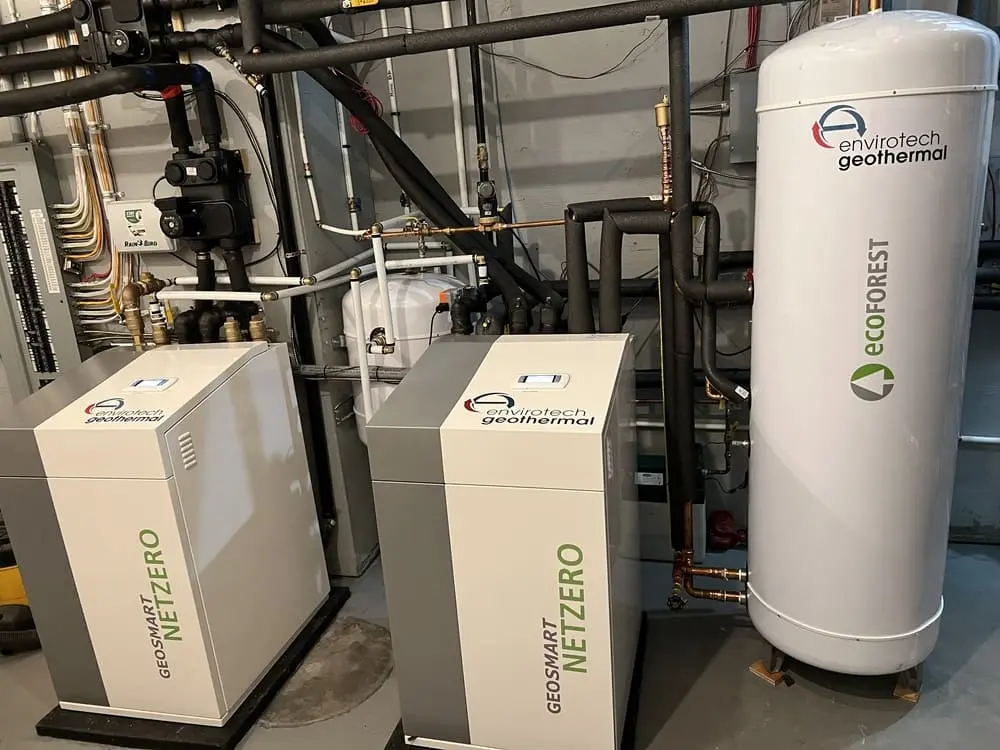
Envirotech Geothermal provides geothermal options that can assist you with more long-term and energy efficient heating and cooling solutions for your homes and businesses. Residential geothermal heating systems can be used to maintain comfortable temperatures throughout the year in suitable homes and commercial geothermal systems can be used to provide an effective solution for offices, hotels, schools, healthcare facilities, retail properties and other larger buildings.
Every property is unique and the heating and cooling needs vary, so it’s important to get a professional evaluation and system design. Prior to installation, the size of the building, insulation, terrain, available space, climate and existing HVAC systems should all be taken into consideration.
For those who seek a contemporary, practical and ecologically friendly method to heat and cool homes, geothermal power is a viable choice. A geothermal system can be a useful long-term investment in a home when properly planned, installed and maintained. For more visit us!