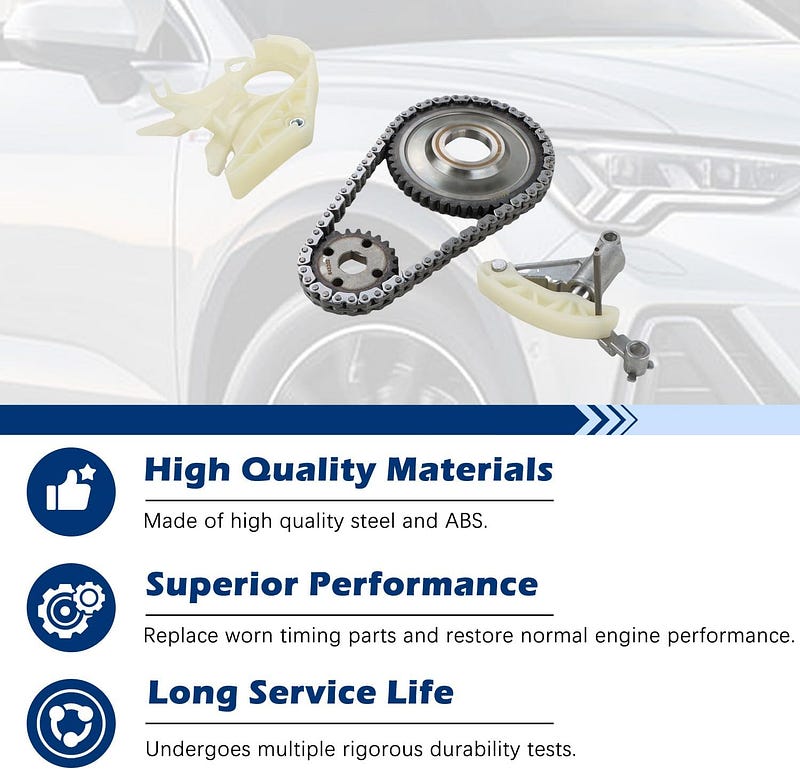
Modern vehicles rely on precise engine components to deliver smooth performance, fuel efficiency, and reliability. Among these components, the timing chain plays a critical role by synchronising the movement between the engine’s camshaft and crankshaft. When this system begins to wear, timely attention becomes essential to prevent expensive engine damage. For owners of BMW and MINI vehicles, understanding BMW timing chain replacement requirements, associated costs, and common warning signs can help maintain long-term vehicle health.
Unlike older engines that often used timing belts requiring scheduled replacement, many BMW and MINI models use timing chains designed to last for extended periods. However, driving conditions, servicing history, and component quality can influence their lifespan. Recognising early symptoms and seeking professional assessment can make a significant difference in avoiding major repairs.
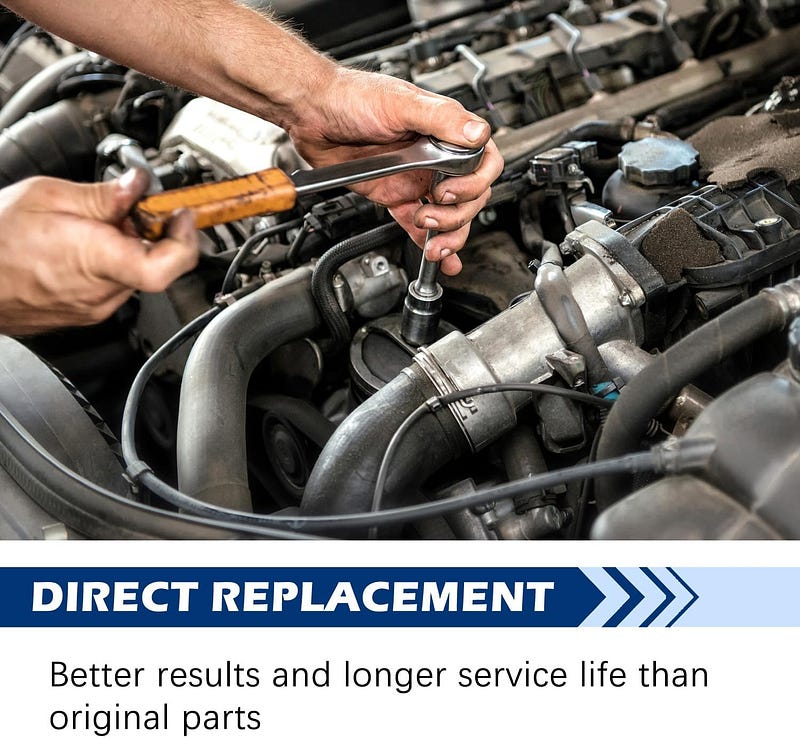
Why Timing Chains Matter in BMW and MINI Vehicles
The timing chain is a durable metal chain that controls the timing of engine valves opening and closing. It operates under high temperatures and constant mechanical stress, meaning it depends heavily on proper lubrication and regular maintenance.
BMW and MINI engines are engineered for performance, but certain models have experienced timing chain-related concerns over time. Factors such as extended service intervals, oil quality, and driving habits can contribute to premature wear.
Common reasons timing chains may require replacement include:
- Chain stretching due to prolonged use
- Worn chain guides or tensioners
- Poor lubrication caused by neglected servicing
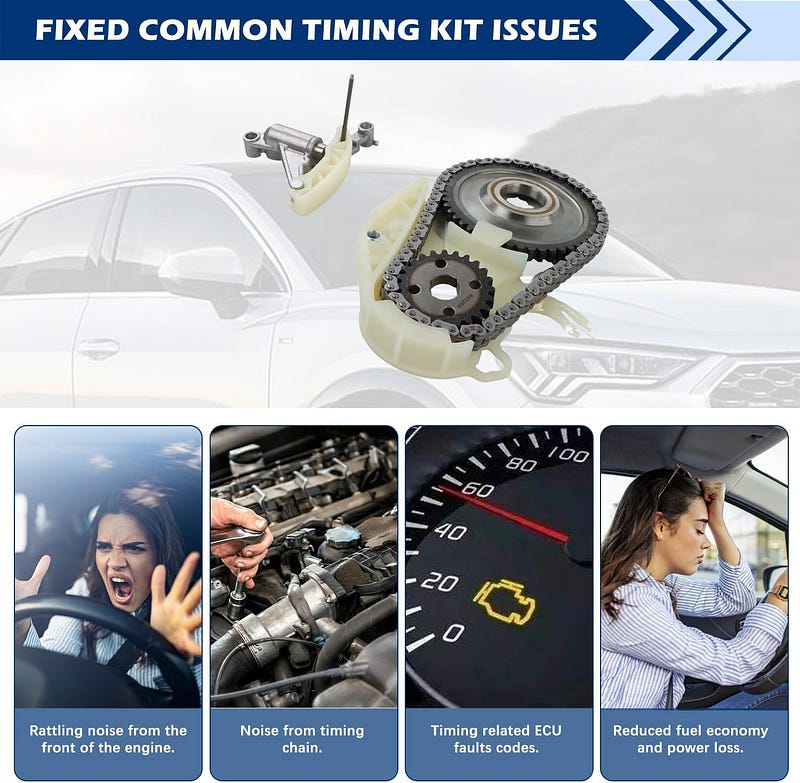
- Unusual engine noise from internal components
- Incorrect timing affecting engine performance
A damaged timing chain system can affect engine efficiency and, in severe cases, cause internal engine damage if the chain fails completely.
Common Signs That Indicate Timing Chain Problems
Identifying early symptoms can help vehicle owners address issues before they become serious. Many timing chain problems develop gradually, making regular inspections important.
Some warning signs include:
Rattling or Clicking Sounds
A noticeable rattling noise, especially during cold starts, may indicate a worn chain tensioner or stretched timing chain. This sound often comes from the front area of the engine and should not be ignored.
Engine Performance Issues
A failing timing chain can affect engine timing, leading to:
- Reduced acceleration
- Rough idling
- Poor fuel economy
- Difficulty starting the vehicle
Dashboard Warning Lights
Modern BMW and MINI vehicles use advanced engine management systems. If timing issues occur, warning lights may appear due to incorrect engine synchronisation.
For drivers experiencing these symptoms, professional diagnostics are essential. A detailed inspection can determine whether adjustment, component replacement, or a complete repair is required.
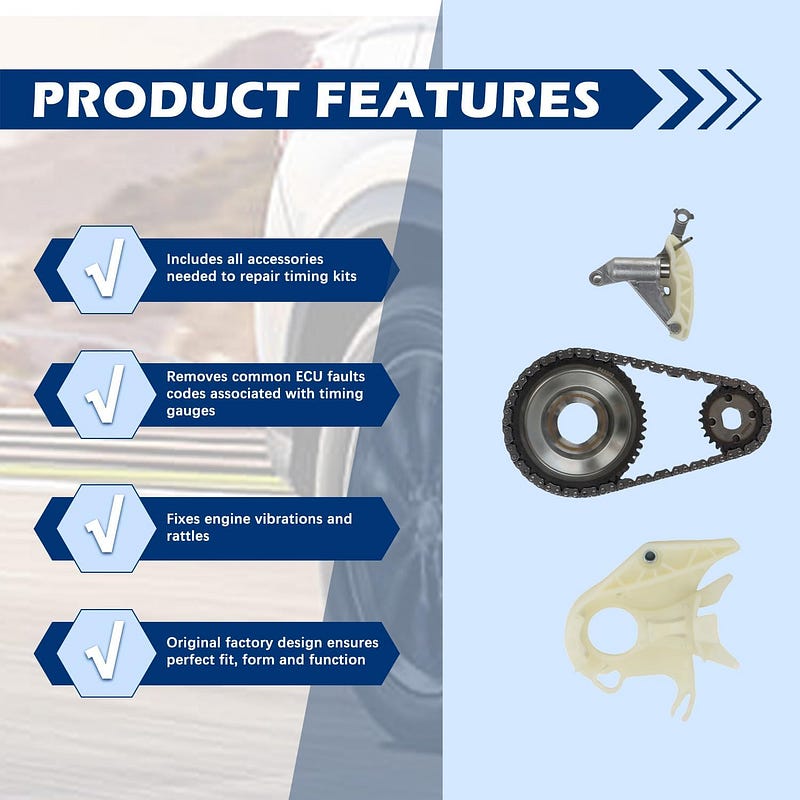
Understanding Timing Chain Replacement Cost Factors
One of the most common questions vehicle owners ask is about timing chain replacement cost. The final expense depends on several factors, including vehicle model, engine design, labour requirements, and the extent of damage.
Unlike simple maintenance tasks, timing chain replacement is a complex procedure because the chain is located inside the engine. Technicians often need to remove multiple components to access the system correctly.
Key factors influencing replacement costs include:
- Vehicle make and engine specification
- Availability of replacement parts
- Labour time required
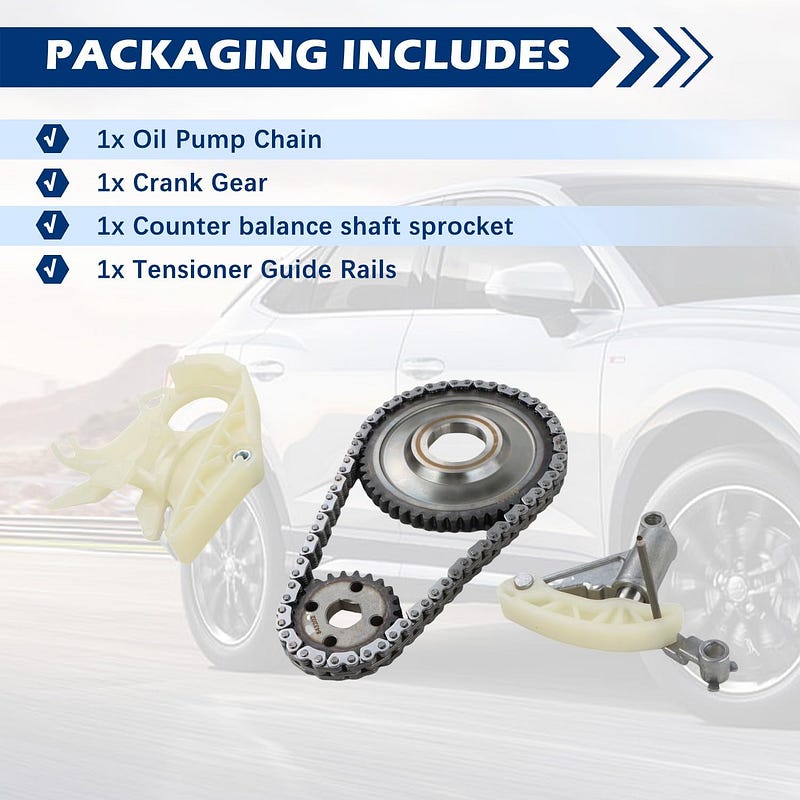
- Replacement of related components such as guides and tensioners
- Additional repairs discovered during inspection
For MINI owners, costs can vary between models. For example, the mini one timing chain replacement cost may differ from performance-focused versions because of differences in engine design and accessibility.
Similarly, a MINI Cooper S timing chain replacement can involve additional considerations due to the vehicle’s performance-oriented engine setup. Using correct parts and following manufacturer repair procedures is essential for maintaining reliability after replacement.
Best Practices for Preventing Timing Chain Issues
Although timing chains are designed for durability, good maintenance habits can extend their service life. Vehicle owners can reduce risks by following several practical steps.
Maintain Regular Oil Changes
Engine oil plays a vital role in protecting timing chain components. Old or contaminated oil can increase friction and accelerate wear on chains, guides, and tensioners.
Follow Manufacturer Service Recommendations
Regular servicing allows technicians to identify early signs of wear. Maintenance records also help establish the vehicle’s condition when future repairs are required.
Address Unusual Noises Quickly
Ignoring unusual engine sounds may allow a minor issue to develop into a major repair. Early inspection can often prevent additional damage.
Use Qualified Automotive Specialists
Timing chain replacement requires specialist knowledge, correct tools, and accurate installation. Experienced technicians can ensure proper engine timing and reduce the risk of future complications.
Choosing Professional Support for BMW and MINI Repairs
BMW and MINI vehicles require detailed technical knowledge due to their advanced engineering. Accurate diagnosis is particularly important because symptoms such as unusual noises or performance problems can have multiple causes.
Automotive service providers such as S&M Auto Service offer professional repair solutions and technical guidance for customers researching timing chain issues, including MINI-related replacement requirements. Their experience with vehicle diagnostics and repair processes helps customers better understand the condition of their vehicle before major work is carried out.
Conclusion: Maintaining Engine Reliability Through Timely Repairs
Timing chain maintenance is an important part of keeping BMW and MINI vehicles operating efficiently. While these components are designed to provide long service life, wear can occur due to mileage, maintenance habits, and driving conditions.
Understanding warning signs, knowing the factors behind BMW timing chain replacement, and researching expected repair requirements can help vehicle owners make informed decisions. Whether considering a MINI Cooper S timing chain replacement or reviewing a potential repair for another model, early diagnosis and professional servicing remain key to protecting engine performance and reliability.
A proactive approach to maintenance not only reduces the likelihood of unexpected breakdowns but also supports safer and more dependable driving over the long term.