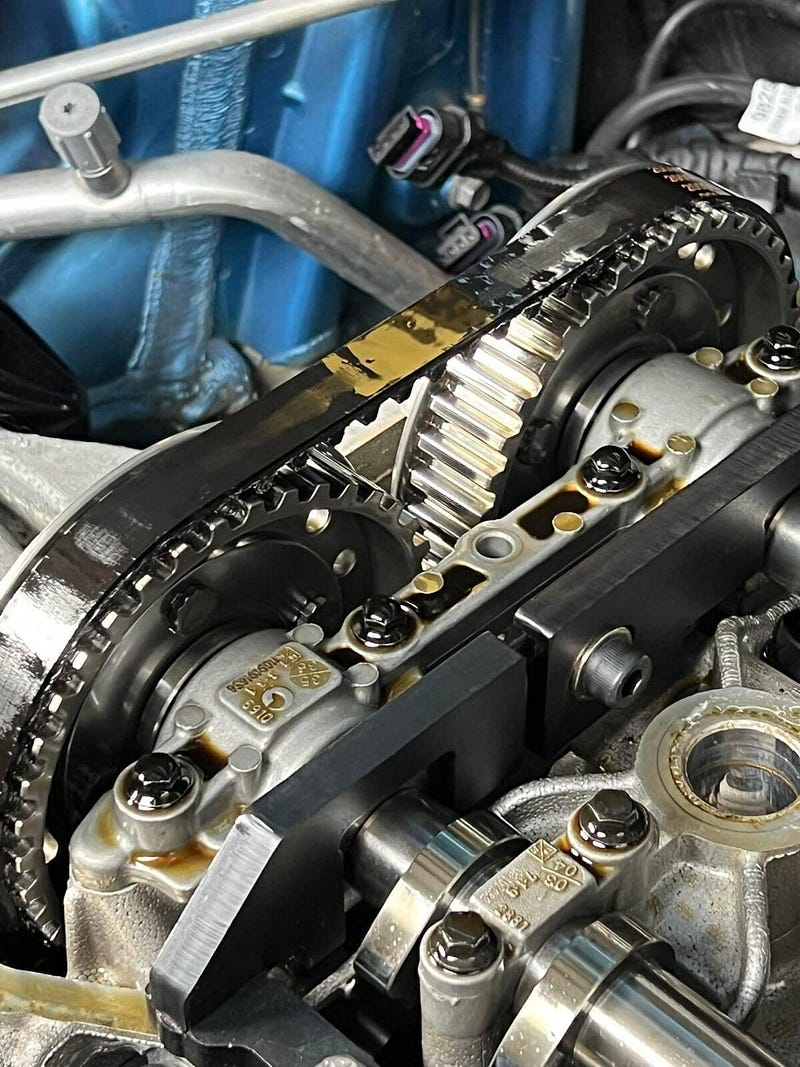
Modern vehicle engines are becoming more advanced to improve fuel efficiency and reduce emissions. One innovation adopted by several manufacturers is the wet timing belt, also known as a belt-in-oil system. Unlike conventional timing belts that operate outside the engine, a wet timing belt runs inside the engine and is continuously lubricated by engine oil. While this design offers performance advantages, it also introduces unique maintenance requirements that vehicle owners should understand.
Ignoring recommended service intervals can result in costly engine damage, making wet timing belt replacement Trowbridge an important topic for drivers seeking long-term vehicle reliability. Understanding how these systems work, recognizing early warning signs, and following manufacturer recommendations can help prevent unexpected breakdowns and expensive repairs.
Understanding How a Wet Timing Belt Works
A wet timing belt synchronizes the crankshaft and camshaft while operating inside the engine’s oil-filled environment. Running in oil helps reduce friction, improve efficiency, and minimize engine noise compared to traditional dry timing belts.
However, prolonged exposure to engine oil means the belt’s condition depends heavily on proper maintenance. Incorrect oil grades, contaminated oil, or extended oil change intervals can accelerate belt deterioration.
As the belt ages, small particles of rubber may begin to separate from its surface. These particles can circulate through the lubrication system and potentially restrict oil flow, creating additional engine problems beyond simple timing belt wear.
Why Replacing Wet Timing Belts Is So Important
Many drivers underestimate the importance of replacing wet timing belt systems before they reach the end of their service life. Unlike some engine components that gradually lose performance, a failing timing belt can lead to sudden and catastrophic engine failure.
Potential consequences include:
- Loss of engine timing
- Bent valves
- Damaged pistons
- Oil pressure issues
- Complete engine failure
Preventive maintenance is almost always significantly less expensive than rebuilding or replacing an engine after timing belt failure.
Vehicle manufacturers provide recommended replacement intervals based on mileage or vehicle age, and following these schedules remains one of the most effective ways to protect engine health.
Factors That Influence Wet Timing Belt Replacement Cost
Many vehicle owners search for information about wet timing belt replacement cost because prices vary depending on several factors rather than a single fixed figure.
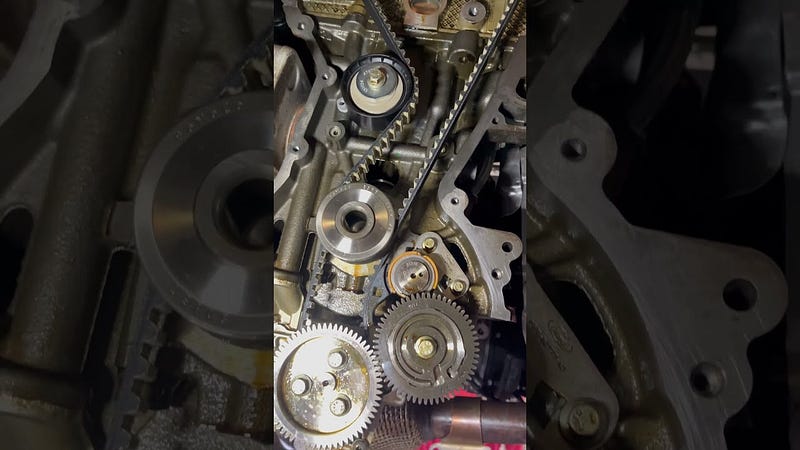
Some of the main cost influences include:
- Vehicle make and model
- Engine design complexity
- Labour time required
- Additional components replaced during the service
- Condition of related engine parts
- Manufacturer repair procedures
Some repairs may also involve replacing oil pumps, tensioners, seals, or other components while the engine is disassembled. Completing related maintenance during the same repair often improves long-term reliability and reduces future labour costs.
Common Warning Signs of Wet Timing Belt Wear
Although wet timing belts may not always show obvious symptoms before failure, several warning signs should never be ignored.
Drivers should consider having their vehicle inspected if they notice:
- Engine warning lights
- Rough engine performance
- Unusual engine noises
- Reduced fuel efficiency
- Difficulty starting the engine
- Low oil pressure warnings
- Engine misfires
It’s important to remember that some worn wet timing belts produce very few noticeable symptoms until significant damage has already begun. This makes preventative servicing far more effective than waiting for visible signs of failure.
Best Maintenance Practices for Longer Belt Life
Routine maintenance plays a major role in extending the service life of wet timing belt systems.
Good maintenance habits include:
- Following manufacturer oil change intervals
- Using the correct engine oil specification
- Replacing oil filters regularly
- Addressing oil contamination quickly
- Investigating warning lights promptly
- Scheduling inspections at recommended mileage intervals
Using the correct engine oil is particularly important because wet timing belts are designed to operate with specific lubricant formulations. Incorrect oil may accelerate rubber degradation and shorten belt life.
Industry Trends in Wet Timing Belt Technology
The automotive industry continues to evolve as manufacturers focus on improving efficiency and reducing emissions. Wet timing belt systems have become increasingly common in many modern petrol and diesel engines due to their ability to reduce mechanical friction and improve fuel economy.
At the same time, servicing procedures have become more specialised. Independent garages now require advanced diagnostic equipment, manufacturer service information, and experienced technicians to complete these repairs correctly.
This growing complexity highlights the importance of choosing repair providers familiar with modern engine technologies. Businesses such as S&M Auto Service demonstrate how independent workshops are adapting to these changing maintenance requirements by supporting drivers with specialist timing belt services and preventative maintenance guidance.
Preventive Maintenance Delivers Better Long-Term Value
One of the biggest misconceptions surrounding wet timing belts is that replacement can always be delayed without consequences. In reality, preventative maintenance often provides the greatest financial benefit over a vehicle’s lifetime.
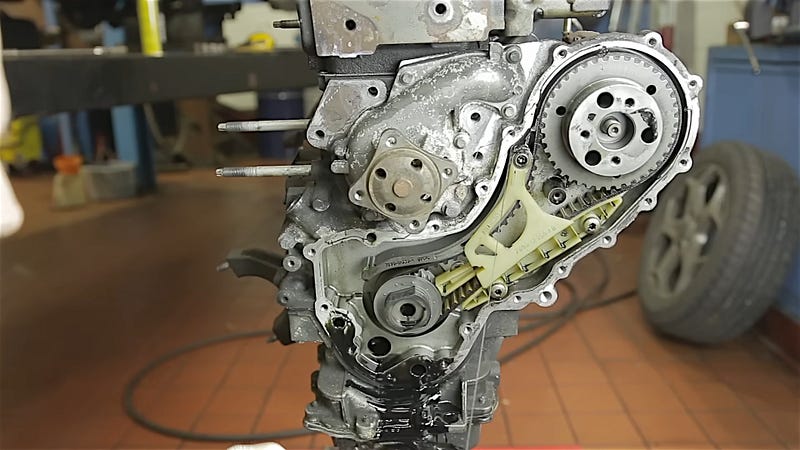
Scheduling wet timing belt replacement Trowbridge before the manufacturer’s recommended limit helps reduce the likelihood of emergency breakdowns, protects engine components, and preserves overall vehicle reliability.
Drivers who maintain detailed service records may also benefit when selling their vehicle, as documented maintenance often increases buyer confidence.
Whether a vehicle is used for commuting, business travel, or family transportation, proactive maintenance remains one of the most effective strategies for reducing ownership costs.
Conclusion
Modern wet timing belt systems offer significant engineering advantages, but they also require careful maintenance throughout a vehicle’s lifespan. Understanding replacement intervals, recognising early warning signs, and using the correct engine oil all contribute to longer engine life and improved reliability.
For motorists researching wet timing belt replacement Trowbridge or seeking reliable information about wet timing belt replacement cost, learning about preventative maintenance is often the first step toward avoiding expensive repairs. Resources provided by experienced service providers such as S&M Auto Service can help vehicle owners better understand maintenance requirements while making informed decisions about protecting one of their vehicle’s most critical engine components.