The UK healthcare sector continues to offer a wide range of career opportunities for individuals looking to make a meaningful difference in people’s lives. Among the many valuable healthcare skills employers seek, phlebotomy stands out as one of the most practical and in-demand competencies.
Phlebotomy is the process of drawing blood samples for medical testing, diagnosis, blood donations, and treatment monitoring. While it may appear to be a specialised technical skill, phlebotomy often serves as an excellent entry point into healthcare careers and can create pathways to broader professional opportunities.
Whether you are considering your first healthcare role, looking to change careers, or seeking to enhance your existing qualifications, developing phlebotomy skills can significantly improve your employability within the UK’s healthcare sector.
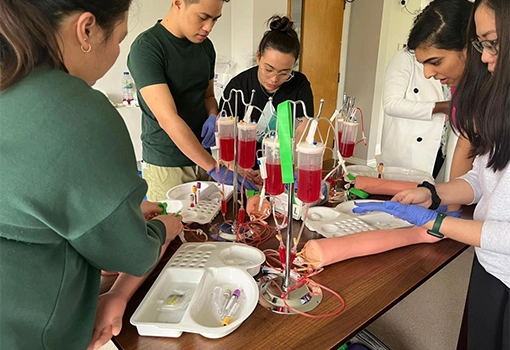
What Is Phlebotomy?
Phlebotomy involves collecting blood samples safely and accurately from patients. These samples are then used by laboratories and healthcare professionals to diagnose medical conditions, monitor treatments, and support patient care decisions.
Phlebotomists work in various healthcare settings, including:
- NHS hospitals
- GP surgeries
- Community healthcare centres
- Private clinics
- Diagnostic laboratories
- Blood donation services
- Care homes
- Occupational health services
The role requires technical competence, excellent communication skills, attention to detail, and a commitment to patient safety.
Because blood testing plays a vital role in modern healthcare, skilled professionals who can perform venepuncture procedures safely remain highly valued across the healthcare industry.
Why Are Phlebotomy Skills Important?
Blood tests are among the most commonly performed medical procedures in the UK. Healthcare professionals rely on accurate blood samples to assess patient health, identify diseases, monitor medication effectiveness, and support treatment planning.
Without trained individuals capable of obtaining quality blood samples, many healthcare services would struggle to operate efficiently.
Phlebotomy skills support:
- Early disease detection
- Accurate diagnosis
- Ongoing patient monitoring
- Preventative healthcare
- Clinical decision-making
- Emergency medical care
As healthcare services continue to evolve, employers increasingly seek professionals who possess practical clinical skills alongside theoretical knowledge.
Can Phlebotomy Help You Start a Healthcare Career?
Yes. For many individuals, phlebotomy provides a practical starting point for entering the healthcare sector.
Healthcare employers often value candidates who demonstrate hands-on clinical understanding and patient interaction experience. Learning phlebotomy can help develop both.
Individuals who gain phlebotomy training may pursue opportunities such as:
- Phlebotomist
- Healthcare Assistant
- Clinical Support Worker
- Medical Laboratory Assistant
- Community Healthcare Worker
- GP Practice Support Staff
- Private Healthcare Assistant
The ability to perform venepuncture safely can make applicants more competitive when applying for healthcare-related positions.
Developing Transferable Healthcare Skills
One of the greatest advantages of phlebotomy training is that learners develop skills that transfer across multiple healthcare roles.
During training, individuals often strengthen their abilities in:
Communication
Patients may feel nervous or anxious about blood tests. Effective communication helps build trust and improve patient experiences.
Infection Prevention and Control
Healthcare employers place significant importance on infection control procedures. Phlebotomy training reinforces safe working practices and hygiene standards.
Patient Care
Phlebotomy requires a patient-centred approach, ensuring individuals feel informed, comfortable, and supported throughout procedures.
Professionalism
Maintaining confidentiality, following protocols, and demonstrating accountability are essential healthcare competencies developed through phlebotomy practice.
These transferable skills remain valuable throughout an individual’s healthcare career journey.
The Growing Demand for Skilled Healthcare Workers in the UK
The UK healthcare workforce continues to face increasing demand due to factors such as population growth, longer life expectancy, and rising healthcare needs.
Healthcare providers require trained professionals who can contribute to patient care from day one.
Practical clinical skills can help candidates stand out in a competitive employment market. Employers often prefer applicants who demonstrate a commitment to professional development and workplace readiness.
This is one reason why many learners choose specialised programmes such as a London advanced phlebotomy certification programme to enhance their practical healthcare knowledge and strengthen their career prospects.
By gaining recognised training and developing confidence in clinical procedures, learners position themselves more effectively for healthcare opportunities across both NHS and private settings.
How Phlebotomy Training Supports Career Progression
Phlebotomy should not be viewed solely as a standalone role. Instead, it can serve as a stepping stone towards broader healthcare career progression.
Many healthcare professionals begin their journeys with practical clinical skills before advancing into more specialised positions.
Potential progression routes may include:
- Senior Healthcare Assistant roles
- Nursing pathways
- Clinical Support Specialist positions
- Laboratory-based careers
- Community healthcare services
- Healthcare management support roles
The experience gained through phlebotomy often helps learners develop confidence in clinical environments, making future progression more accessible.
Why Employers Value Practical Clinical Experience
Healthcare employers consistently seek candidates who understand patient interaction and clinical procedures.
Practical training demonstrates that a learner has invested time in developing workplace-relevant skills and understands the responsibilities associated with healthcare environments.
Employers recognise that individuals with phlebotomy knowledge often possess:
- Strong attention to detail
- Patient-focused communication skills
- Awareness of healthcare regulations
- Understanding of infection control practices
- Confidence in clinical settings
These qualities contribute to safer patient care and improved workplace efficiency.
Building Confidence Through Professional Training
Confidence plays a major role in career success.
Many individuals interested in healthcare careers hesitate because they lack practical experience. Structured training helps bridge this gap by providing knowledge, guidance, and skill development opportunities.
Programmes such as CPD-accredited phlebotomy skills training London allow learners to build confidence while improving their understanding of venepuncture techniques, patient care principles, and healthcare best practices.
Professional development also demonstrates a proactive attitude towards learning, which many healthcare employers find attractive when evaluating candidates.
The Future of Phlebotomy in UK Healthcare
As healthcare services continue to rely heavily on diagnostic testing, phlebotomy remains a valuable clinical skill.
Advances in healthcare technology, preventative medicine, and patient monitoring are expected to maintain strong demand for blood testing services. This means skilled individuals who can perform procedures safely and professionally will continue to play an important role within healthcare teams.
For learners considering healthcare careers, investing in practical clinical training can provide both immediate benefits and long-term opportunities.
Conclusion
Phlebotomy is much more than a technical procedure. It is a practical healthcare skill that supports patient care, improves employability, and creates pathways into rewarding healthcare careers.
By developing competence in blood collection procedures, communication, infection control, and patient interaction, learners gain valuable experience that employers increasingly seek throughout the UK healthcare sector.
Whether you are exploring your first healthcare role, seeking career progression, or looking to strengthen your professional profile, phlebotomy skills can open doors to a wide range of opportunities. With healthcare demand continuing to grow across the UK, investing in quality phlebotomy training may be an important step towards a successful and fulfilling healthcare career.
FAQ
Is phlebotomy a good skill for healthcare beginners?
Yes. Phlebotomy is often considered an accessible clinical skill that introduces learners to patient care, healthcare procedures, and clinical environments.
Can phlebotomy improve employability?
Practical healthcare skills can strengthen job applications and help candidates stand out when applying for healthcare-related positions.
Do healthcare employers value phlebotomy training?
Many employers appreciate candidates who demonstrate relevant clinical knowledge, patient care awareness, and commitment to professional development.
Can phlebotomy lead to other healthcare careers?
Yes. Phlebotomy skills often complement broader healthcare career pathways and may support progression into additional clinical or patient-care roles.