Introduction
In today’s digital-first environment, cyber threats have become one of the most significant risks facing organizations of all sizes. A comprehensive Cyber Insurance Guide can help businesses understand the financial protection available after a cyber incident, but insurance alone is not enough. Effective cyber risk management requires a proactive strategy that combines technology, employee awareness, security policies, and incident response planning. As cybercriminals continue to develop sophisticated attack methods, businesses must strengthen their defenses to protect sensitive data, maintain customer trust, and ensure operational continuity.
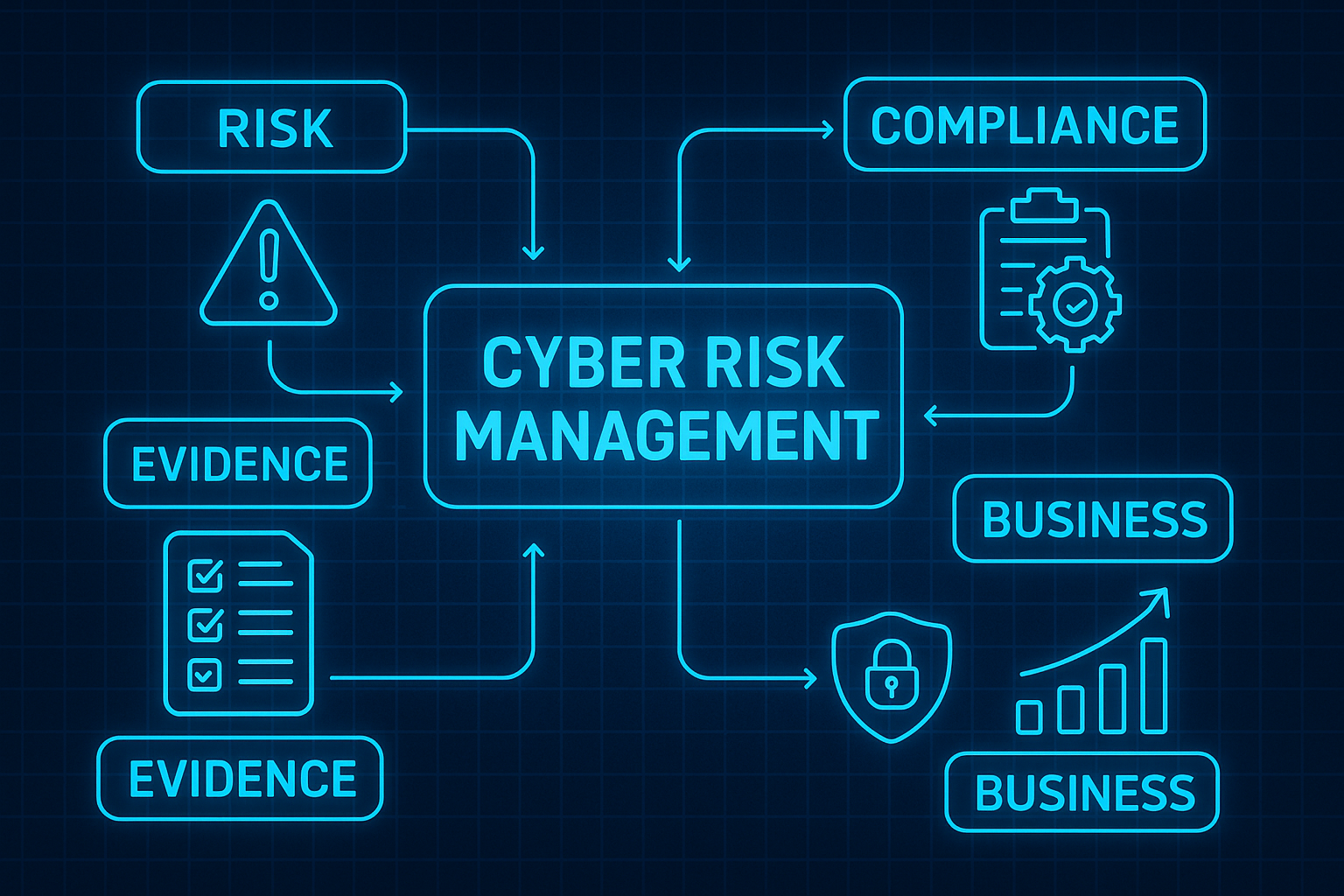
Understanding Cyber Risk Management
Cyber risk management is the process of identifying, assessing, mitigating, and monitoring threats that could compromise an organization’s information systems. These risks may include ransomware attacks, phishing scams, data breaches, insider threats, malware infections, and system vulnerabilities.
The primary goal of cyber risk management is to reduce the likelihood and impact of cyber incidents. Businesses that implement a structured risk management framework are better equipped to prevent attacks, minimize financial losses, and recover quickly when incidents occur.
Conduct Regular Risk Assessments
One of the most important cyber risk management practices is performing regular risk assessments. Organizations should identify critical assets, evaluate potential vulnerabilities, and determine the likelihood of various cyber threats.
A thorough risk assessment helps businesses:
- Identify security weaknesses.
- Prioritize high-risk areas.
- Allocate cybersecurity resources effectively.
- Meet compliance requirements.
Risk assessments should be conducted at least annually and whenever significant changes occur within the organization, such as system upgrades, mergers, or new software deployments.
Implement Strong Access Controls
Unauthorized access remains a leading cause of data breaches. Businesses should implement strict access control measures to ensure that employees only have access to the information necessary for their roles.
Best practices include:
- Multi-factor authentication (MFA)
- Role-based access control (RBAC)
- Strong password policies
- Regular account reviews
- Immediate removal of access for departing employees
By limiting access privileges, organizations can significantly reduce the risk of insider threats and credential-based attacks.
Train Employees on Cybersecurity Awareness
Employees are often the first line of defense against cyber threats. Unfortunately, they can also be the weakest link if they lack cybersecurity awareness.
Organizations should provide ongoing training programs covering:
- Phishing detection
- Social engineering tactics
- Password security
- Safe internet browsing
- Remote work security practices
Regular simulated phishing exercises can help employees recognize suspicious communications and respond appropriately. A well-informed workforce plays a critical role in reducing human-related security risks.
Develop a Comprehensive Incident Response Plan
No organization is completely immune to cyberattacks. Therefore, having a well-documented incident response plan is essential.
An effective incident response plan should include:
- Incident detection procedures
- Communication protocols
- Roles and responsibilities
- Containment strategies
- Recovery processes
- Post-incident analysis
Testing the plan through tabletop exercises and simulations ensures that employees understand their responsibilities during a cyber incident. Quick and coordinated responses can significantly reduce damage and recovery costs.
Strengthen Network Security Measures
Robust network security serves as the foundation of cyber risk management. Businesses should deploy multiple layers of protection to defend against external and internal threats.
Recommended measures include:
- Firewalls
- Intrusion detection systems
- Endpoint protection software
- Network segmentation
- Secure VPN access
- Continuous network monitoring
Organizations should also keep all software and systems updated with the latest security patches to address known vulnerabilities before attackers can exploit them.
Importance of Cybersecurity Risk Assessment
A detailed Cybersecurity Risk Assessment enables organizations to gain a deeper understanding of their security posture. By continuously evaluating vulnerabilities and emerging threats, businesses can make informed decisions about investments in cybersecurity tools, staff training, and risk mitigation strategies.
Regular assessments help organizations stay ahead of evolving threats while demonstrating due diligence to customers, partners, and regulatory authorities. They also support strategic planning by aligning cybersecurity efforts with overall business objectives.
Protect Sensitive Data Through Encryption
Data is one of the most valuable assets for any organization. Encrypting sensitive information helps protect it from unauthorized access, even if attackers gain entry to systems.
Businesses should encrypt:
- Customer information
- Financial records
- Intellectual property
- Employee data
- Communication channels
Encryption should be applied both at rest and in transit. Combining encryption with strong key management practices further enhances data security.
Monitor Third-Party Vendor Risks
Many businesses rely on external vendors for software, cloud services, payment processing, and operational support. However, third-party relationships can introduce cybersecurity risks.
Organizations should:
- Assess vendor security practices.
- Review compliance certifications.
- Establish security requirements in contracts.
- Conduct periodic vendor audits.
- Monitor ongoing vendor performance.
Third-party risk management is essential because a security breach involving a vendor can directly impact the organization’s systems and reputation.
Maintain Regulatory Compliance
Cybersecurity regulations continue to evolve worldwide. Businesses must remain compliant with relevant laws and industry standards to avoid penalties and strengthen security practices.
Common compliance frameworks include:
- GDPR
- HIPAA
- PCI DSS
- ISO 27001
- SOC 2
Compliance initiatives often improve cybersecurity maturity by encouraging organizations to implement best practices, document procedures, and conduct regular security reviews.
Leverage Cyber Insurance as Part of Risk Management
While preventive measures are essential, businesses should also consider financial protection through cyber insurance. Cyber insurance can help cover expenses related to data breaches, ransomware attacks, legal costs, regulatory fines, and business interruption.
However, insurance should complement—not replace—a comprehensive cybersecurity strategy. Insurers increasingly require organizations to demonstrate strong security controls before issuing coverage. Therefore, maintaining effective cyber risk management practices can improve both eligibility and policy terms.
Conclusion
Cyber risk management is no longer optional for modern businesses. Organizations must take a proactive approach by conducting risk assessments, strengthening access controls, training employees, protecting sensitive data, monitoring vendors, and preparing for incidents. Combining these practices with appropriate insurance coverage creates a stronger defense against evolving cyber threats. By following these proven strategies and applying practical Cyber Insurance Tips, businesses can improve resilience, reduce financial exposure, and maintain trust in an increasingly complex digital landscape.