A car accident can happen in an instant, leaving you shocked, confused, and unsure about what to do next. Whether the collision is minor or severe, the actions you take during the first 24 hours can significantly impact your health, financial recovery, and ability to pursue compensation. Many accident victims unknowingly make mistakes that weaken their insurance claims or create unnecessary complications later.
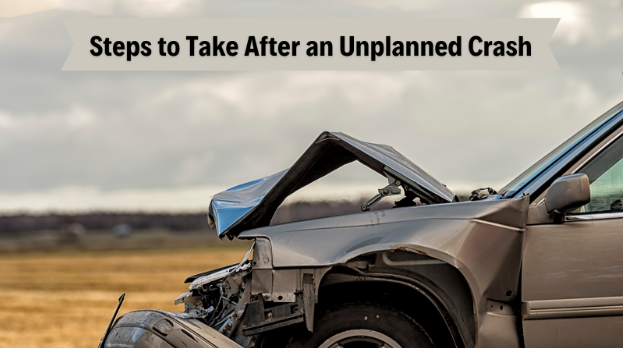
If you have been involved in a crash, understanding the proper steps to take can help protect your rights. In many cases, consulting an experienced Everett Car Accidents Attorney can also provide valuable guidance during this stressful time.
Why the First 24 Hours Are Critical After a Car Accident
The first day following a car accident is often the most important period for preserving evidence and protecting your legal interests. Insurance companies begin evaluating claims immediately, and crucial evidence such as vehicle positions, road conditions, and witness memories can quickly disappear.
Additionally, many injuries do not show symptoms right away. What initially feels like minor soreness could develop into serious neck, back, or head injuries within hours. Taking prompt action helps ensure that both your health and your potential claim are properly protected.
Prioritize Safety and Check for Injuries
Immediately after the accident, your first concern should be safety. If the vehicles can be moved safely, relocate them to the side of the road and turn on hazard lights to reduce the risk of additional collisions. If anyone appears seriously injured, avoid moving them unless there is an immediate danger.
Take a moment to assess your own condition as well. Adrenaline often masks pain after an accident, making it difficult to recognize injuries right away. Even if you believe you are unharmed, remain cautious and seek medical attention if you experience any discomfort.
Contact Law Enforcement
Calling the police is one of the most important steps you can take after a car accident in Everett. A responding officer will document the scene, gather statements from those involved, and prepare an official accident report. This report often becomes a key piece of evidence during insurance negotiations and legal proceedings.
When speaking with law enforcement, provide accurate information but avoid speculating about fault or making statements that could be misunderstood. Simply explain what happened based on the facts as you observed them.
Gather Evidence While at the Scene
If your condition allows, begin collecting evidence as soon as possible. Photographs and videos can provide a clear record of the accident scene and may prove invaluable later if disputes arise.
Take pictures of vehicle damage, road conditions, traffic signals, skid marks, weather conditions, and any visible injuries. The more documentation you have, the easier it becomes to establish what occurred.
You should also exchange information with the other driver, including names, contact details, driver’s license numbers, vehicle information, and insurance details. If there are witnesses nearby, politely ask for their contact information. Independent witness statements can strengthen your claim if liability is questioned.
Seek Immediate Medical Attention
One of the biggest mistakes accident victims make is waiting too long to see a doctor. Many injuries, including whiplash, concussions, soft tissue damage, and internal injuries, may not produce immediate symptoms.
Seeking prompt medical treatment serves two important purposes. First, it helps identify injuries before they worsen. Second, it creates medical documentation connecting your injuries directly to the accident. Insurance companies often look for gaps in treatment when attempting to reduce or deny claims.
Even if you feel relatively fine after the collision, scheduling a medical evaluation within the first 24 hours is a smart decision.
Notify Your Insurance Company
Most insurance policies require prompt notification following an accident. Contact your insurance provider and report the basic facts regarding the collision, including the date, time, location, and parties involved.
While it is important to cooperate with your insurer, be careful when discussing injuries or fault. Avoid making assumptions or providing statements that go beyond the known facts. If you are uncertain about any aspect of the accident, it is acceptable to say that the investigation is ongoing.
Remember that insurance companies are focused on protecting their financial interests. What you say during these early conversations can affect your claim later.
Keep Thorough Documentation
Proper documentation can make a significant difference in the outcome of your case. Begin organizing all accident-related records as soon as possible. This includes medical reports, treatment bills, repair estimates, police reports, insurance correspondence, and photographs.
It can also be helpful to maintain a personal recovery journal. Document your symptoms, pain levels, missed workdays, and any limitations you experience in your daily activities. These records can provide valuable evidence when calculating damages and demonstrating the impact the accident has had on your life.
Stay Off Social Media
After an accident, many people feel tempted to share updates online. However, social media activity can create unexpected problems for injury claims.
Insurance adjusters and defense attorneys frequently review social media profiles looking for posts, photographs, or comments that may contradict an injury claim. Even a harmless photo or casual statement can be taken out of context and used against you.
For this reason, it is generally best to avoid discussing the accident, your injuries, or your recovery on social media until your case has been resolved.
Understand Washington’s Comparative Fault Law
Washington follows a comparative negligence system, which means that compensation may still be available even if you were partially responsible for the accident.
For example, if you are found to be 20 percent at fault, your compensation would typically be reduced by that percentage. Because fault determinations directly impact the value of a claim, preserving evidence and presenting a clear account of the accident is extremely important.
An experienced Everett Car Accidents Attorney can help ensure that fault is assigned fairly and that your rights are protected throughout the claims process.
Know What Compensation May Be Available
Many accident victims focus only on immediate vehicle repairs and medical expenses, but the full impact of an accident often extends much further.
Depending on the circumstances, compensation may include reimbursement for medical treatment, lost income, future medical expenses, rehabilitation costs, and property damage. In addition, victims may be entitled to recover damages for pain and suffering, emotional distress, loss of enjoyment of life, and long-term physical limitations.
Understanding the true value of a claim can be difficult without professional guidance, particularly when injuries are serious or recovery is expected to take months.
When to Contact an Everett Car Accidents Attorney
Not every accident requires legal representation, but there are many situations where speaking with an attorney can be beneficial. If you suffered injuries, face disputed liability, receive a low settlement offer, or encounter difficulties with the insurance company, legal guidance can help protect your interests.
An Everett Car Accidents Attorney can investigate the accident, gather evidence, communicate with insurers, calculate damages, and negotiate for fair compensation. Having experienced representation often allows accident victims to focus on healing while their legal matters are handled professionally.
Common Mistakes to Avoid
The first 24 hours after a car accident can be overwhelming, which is why mistakes are common. Some individuals delay medical treatment because they believe their injuries are minor. Others fail to gather evidence or unknowingly make statements that insurers later use against them.
Accepting a quick settlement offer without understanding the full extent of your injuries can also be costly. Once a settlement is accepted, recovering additional compensation may become extremely difficult.
By acting carefully and seeking appropriate guidance, you can avoid many of these common pitfalls.
Conclusion
The first 24 hours after a car accident in Everett can have a lasting impact on your health, finances, and legal rights. Taking immediate steps to ensure safety, obtain medical treatment, document the scene, and report the accident can strengthen your position and help protect your future.
While the aftermath of a collision can feel overwhelming, you do not have to navigate the process alone. If you have suffered injuries or face challenges with your claim, consulting a qualified Everett Car Accidents Attorney can provide the support and guidance needed to pursue the compensation you deserve. Acting quickly and making informed decisions during those crucial first 24 hours can make all the difference in your recovery.
Frequently Asked Questions
How soon should I see a doctor after a car accident?
You should seek medical attention as soon as possible, preferably within the first 24 hours. Early treatment protects your health and creates important medical records that support your claim.
Do I need a police report for a car accident in Everett?
A police report is highly recommended because it provides an official record of the accident and can serve as valuable evidence during insurance and legal proceedings.
What if I feel fine after the accident?
Many injuries, including whiplash and concussions, do not show symptoms immediately. It is still wise to get a medical evaluation even if you initially feel normal.
Can I recover compensation if I was partially at fault?
Yes. Washington’s comparative negligence law allows injured parties to recover compensation even if they share some responsibility for the accident.
When should I contact an Everett Car Accidents Attorney?
You should consider contacting an attorney as soon as possible if you suffered injuries, liability is disputed, or the insurance company is offering less compensation than your claim may be worth.